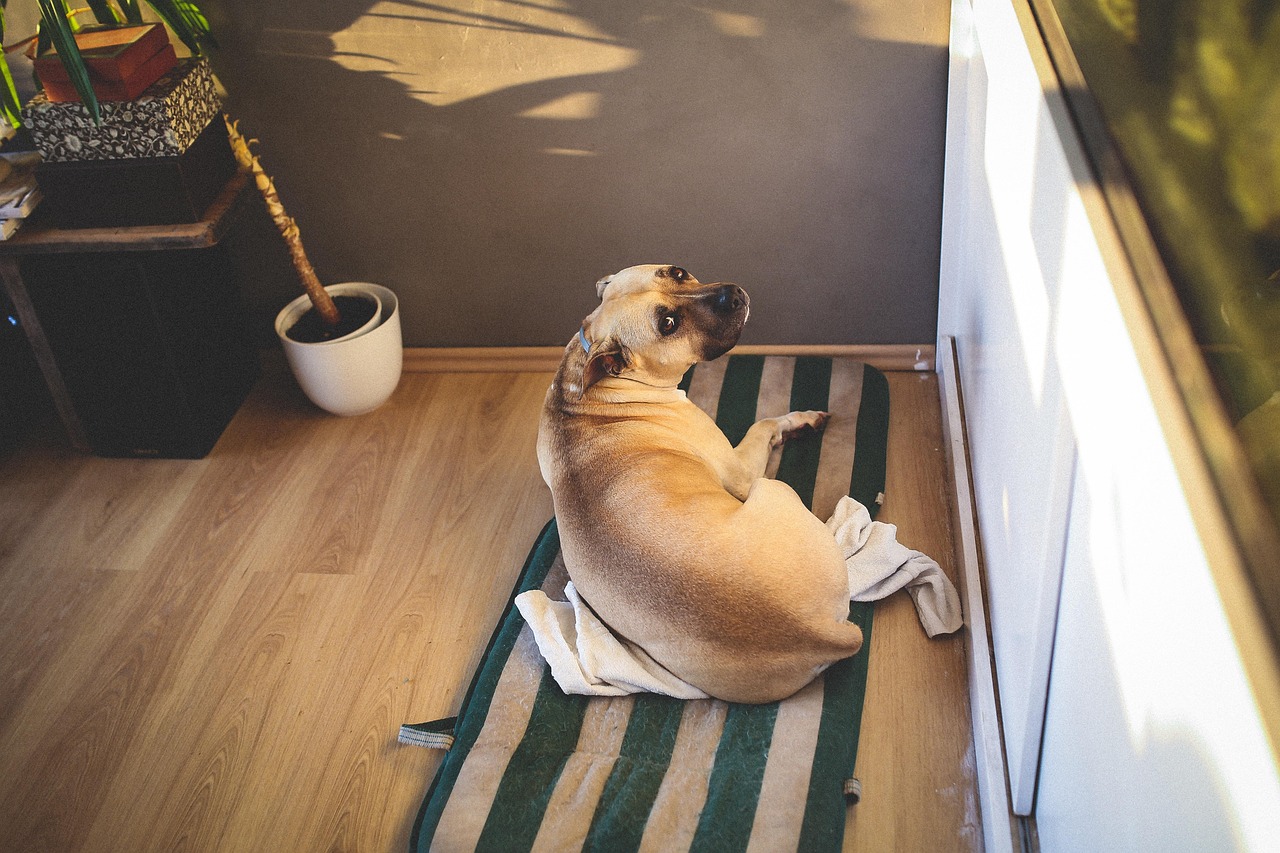
Are you wondering which bed and bedding will give your new puppy the best start in your home?


Raising A Puppy With The Right Bed And Bedding
Choosing the right bed and bedding is one of the simplest ways to give your puppy comfort, security, and healthy growth. Your puppy will spend a large portion of each day sleeping, so the surfaces you provide affect joint development, temperature regulation, and behavior. The right choices also make cleaning and training much easier for you.
Why the right bed matters
Picking an appropriate bed goes beyond aesthetics. You’re investing in your puppy’s physical development, emotional well-being, and the cleanliness of your home. A well-chosen bed supports joints, prevents drafts, reduces anxiety, and gives your puppy a dependable place to rest.
Physical development and support
Young puppies are growing rapidly, and their bones and joints benefit from supportive, even surfaces. You’ll want cushioning that reduces pressure points and helps proper posture during sleep. A bed that’s too soft or too firm can cause discomfort or poor muscle development over time.
Emotional comfort and security
Puppies naturally seek cozy, enclosed spaces because they resemble the den environment they find comforting. A bed that provides a sense of enclosure or a snug shape helps your puppy relax, lowers stress, and can reduce whining at night. You’ll notice calmer settling and a stronger association between the bed and sleep.
Hygiene, training and household harmony
The right bedding makes house training and daily cleaning manageable. Waterproof liners, washable covers, and beds that resist odors help you maintain a clean home and reduce the risk of bacterial growth. That makes it easier for your puppy to learn routines and reduces friction between you and family members over pet care.
Types of pet beds and when to use them
There are many bed styles, each suited to different ages, breeds, and living arrangements. Consider your puppy’s size, chewing behavior, and the places you want them to sleep when choosing a style.
| Bed Type | Description | Best for |
|---|---|---|
| Nest / Donut bed | Round, raised sides for curling and head support | Puppies, small breeds, anxious dogs who like snuggling |
| Bolster bed | Rectangular cushion with raised edges on one or more sides | Dogs that like headrests; small to medium breeds |
| Crate mat / pad | Thin mattress or foam insert sized to fit a crate | Crate-trained puppies; travel and containment |
| Orthopedic / memory foam | Dense foam that contours joints and distributes weight | Growing puppies with joint issues, larger breeds |
| Elevated cot | Raised off the ground with breathable fabric | Active puppies, outdoor use, hot climates |
| Heated bed / pad | Low-voltage warming elements for added warmth | Young puppies, cold climates, or short-haired breeds |
| Cooling mat | Gel or breathable fabric to reduce surface temperature | Hot climates and thick-coated breeds |
| Flat cushion | Simple pillow-style bed | House areas, multi-purpose use, budget-friendly |
| Travel foldable bed | Portable and collapsible mats or pads | Car trips, hotels, temporary spaces |
Nest and donut beds
These beds are ideal when your puppy seeks a sense of enclosure. They’re great for curling, and the raised rim gives a headrest. If your puppy likes to burrow, choose a design with deep walls and a soft plush interior. Keep in mind these beds can be tempting to chewers.
Bolster and pillow beds
Bolsters provide head and neck support and are excellent for puppies that like to perch or rest against something. You’ll often find bolsters used in family rooms or bedrooms where the puppy can join you comfortably.
Crate mats and pads
Crate mats are essential for crate training. They need to fit snugly to avoid bunching that could frighten or injure a puppy. Choose thin, washable types for young puppies and thicker foam for older dogs who need joint support.
Orthopedic and memory foam beds
These beds are excellent long-term investments for larger breeds or puppies with early signs of joint stress. Memory foam supports growth plates and helps distribute pressure evenly. For a puppy, you may not need high-density memory foam immediately, but consider it as your puppy matures.
Elevated cots
Raised cots keep your puppy off cold or hot floors and provide airflow underneath—useful for both indoor and outdoor lounging. They’re sturdy and easy to clean, and less attractive to chewers.
Heated and cooling beds
Temperature-regulating beds are helpful in extreme climates. Heated pads give extra warmth for newborn or tiny puppies. Cooling mats are useful in summer to prevent overheating. Always choose thermostatically controlled or low-voltage heated products and monitor your puppy’s comfort.

Choosing bed size and planning for growth
Choosing the right size requires thinking ahead. Puppies grow quickly, so you’ll want a bed that’s comfortable now and still usable as your puppy gains a few pounds. Avoid buying a bed that’s so large your puppy won’t feel secure, but don’t pick one so small it becomes unusable within weeks.
| Puppy Weight (adult estimate) | Suggested Bed Size | Notes |
|---|---|---|