Are you ready to give your puppy the comfort and safety they need to grow into a healthy, happy dog?

Caring For A Puppy For Comfort And Safety
This article walks you through everything you need to provide comfort and safety for your puppy. You’ll find practical tips on bedding, puppy-proofing, health care, and daily routines that help your puppy feel secure and thrive.
Why comfort and safety matter
Your puppy’s early environment shapes physical development and emotional well-being. When you prioritize comfort and safety, you set the foundation for good sleep, healthy joints, stable behavior, and successful training.
Physical health benefits
Comfortable, supportive bedding protects your puppy’s developing bones and joints during rapid growth. Maintaining a clean, dry sleeping area reduces the risk of skin infections, parasites, and odors that can harm your puppy’s health.
Emotional and behavioral benefits
A consistent safe space lowers anxiety and supports better behavior as your puppy learns the household routine. When your puppy has a predictable, cozy spot to rest, they’re more likely to settle calmly and feel secure during separation or new experiences.


Choosing the right bedding
Picking the right bed is one of the most important steps to keep your puppy comfortable and protected. You’ll want bedding that fits your puppy’s current size, supports growth, and is easy to clean.
Bed types and what they offer
Different bed styles meet different needs, from nest-style beds that mimic a den to flat cushions for crate use. Choose a style that matches your puppy’s sleeping habits and the locations where they’ll rest most often.
| Bed type | Best for | Pros | Cons |
|---|---|---|---|
| Nest/Donut | Puppies that curl up, anxious puppies | Creates a cozy, enclosed feel; bolsters support head | Can be too warm for hot climates |
| Orthopedic foam | Breeds prone to joint issues; larger growing puppies | Supports joints; durable | Heavier and more expensive |
| Pillow/cushion | Crates, carriers, living room | Lightweight; versatile | Less edge support; may flatten with use |
| Crate pad | Crate-trained puppies | Fits crate; easy to move | May shift during crate use |
| Heated bed | Puppies needing warmth (young, small, chilled) | Adds warmth in cold climates | Risk of overheating if not monitored |
Materials and fill
The material and fill affect comfort, durability, and safety. Look for non-toxic fabrics, chew-resistant seams, and fillings that maintain shape without clumping.
| Material/Fill | Characteristics | Best cleaning method | Good for |
|---|---|---|---|
| Memory foam | Conforms to body; pressure relief | Spot clean; some covers removable | Puppies with joint issues |
| Orthopedic foam | Firm support; long-lasting | Removable cover for machine wash | Growing puppies; large breeds |
| Polyester fiberfill | Soft; inexpensive | Machine washable | Small puppies; nest beds |
| Faux fur/top fabric | Cozy; attractive | Machine wash on gentle | Anxiety-prone puppies |
| Waterproof liners | Protects foam | Wipeable; removable cover | Puppies in training |
Size and fit
Your puppy needs room to stretch comfortably but also something that feels snug enough to be secure. Choose a bed sized to your puppy’s adult expected weight and body length when possible.
- Measure from nose to tail and add a few inches so your puppy can stretch.
- For crate pads, match the pad to the crate’s interior dimensions.
- If you expect a large adult size, buy a bed that fits adult dimensions to avoid replacing bedding frequently.
Washability and durability
Frequent cleaning prevents odors and washes away allergens and bacteria. You’ll want bedding with removable, machine-washable covers or materials you can launder regularly.
- Choose zippers with covers and reinforced stitching to withstand chewing.
- Look for bedding that tolerates high-heat washing if your puppy has had accidents or parasite treatment.
- Replace bedding that shows significant wear, flattening, or rips that expose filling.
Safety features to look for
Safety-focused features protect your puppy from hazards related to chewing, overheating, and toxins. Prioritize non-toxic materials and chew-resistant seams.
- Avoid beds with small removable parts that could be swallowed.
- Prefer water-resistant liners to keep foam dry from accidents.
- If your puppy chews, consider chew-proof or heavy-duty models and supervise until you confirm the bed is safe.
Setting up a safe sleeping area
Where your puppy sleeps affects their comfort and sense of safety. Create a dedicated spot that’s quiet, draft-free, and consistent with your household routine.
Crate training basics
A crate can become your puppy’s safe den and aid housetraining when used properly. The crate should be large enough for standing and turning but cozy enough to feel den-like.
- Introduce the crate in short, positive sessions with treats and toys.
- Never use the crate as punishment; make it a reward-based space.
- Gradually increase crate time so your puppy becomes comfortable spending longer periods inside.
| Crate size | Puppy weight/age | Notes |
|---|---|---|
| Small (24″) | Small breeds / young puppies | Good for small dogs and indoor use |
| Medium (30″) | Up to ~50 lbs | Suitable for medium breeds |
| Large (36–42″) | 50+ lbs | For large breeds or growing puppies with adjustable dividers |
Placement in the home
Position your puppy’s bed where household activity and temperature are appropriate. A spot near family traffic can help social comfort but avoid noisy or high-traffic entrances that may disrupt sleep.
- Keep bedding off cold floors and away from direct drafts from windows or doors.
- Avoid placing beds by radiators or stoves where overheating is possible.
- A corner in a living area or a bedroom where you sleep is often comforting to puppies.
Bedding arrangement and layering
Layering bedding with washable covers and liners adds protection and comfort. You’ll want to balance warmth with breathability, especially for small breeds and young puppies.
- Put a waterproof liner under soft bedding to protect foam from accidents.
- Use a removable, washable cover as the top layer for easy cleaning.
- For very young puppies, avoid loose strings or small blankets that pose a choking risk; opt for fitted options.
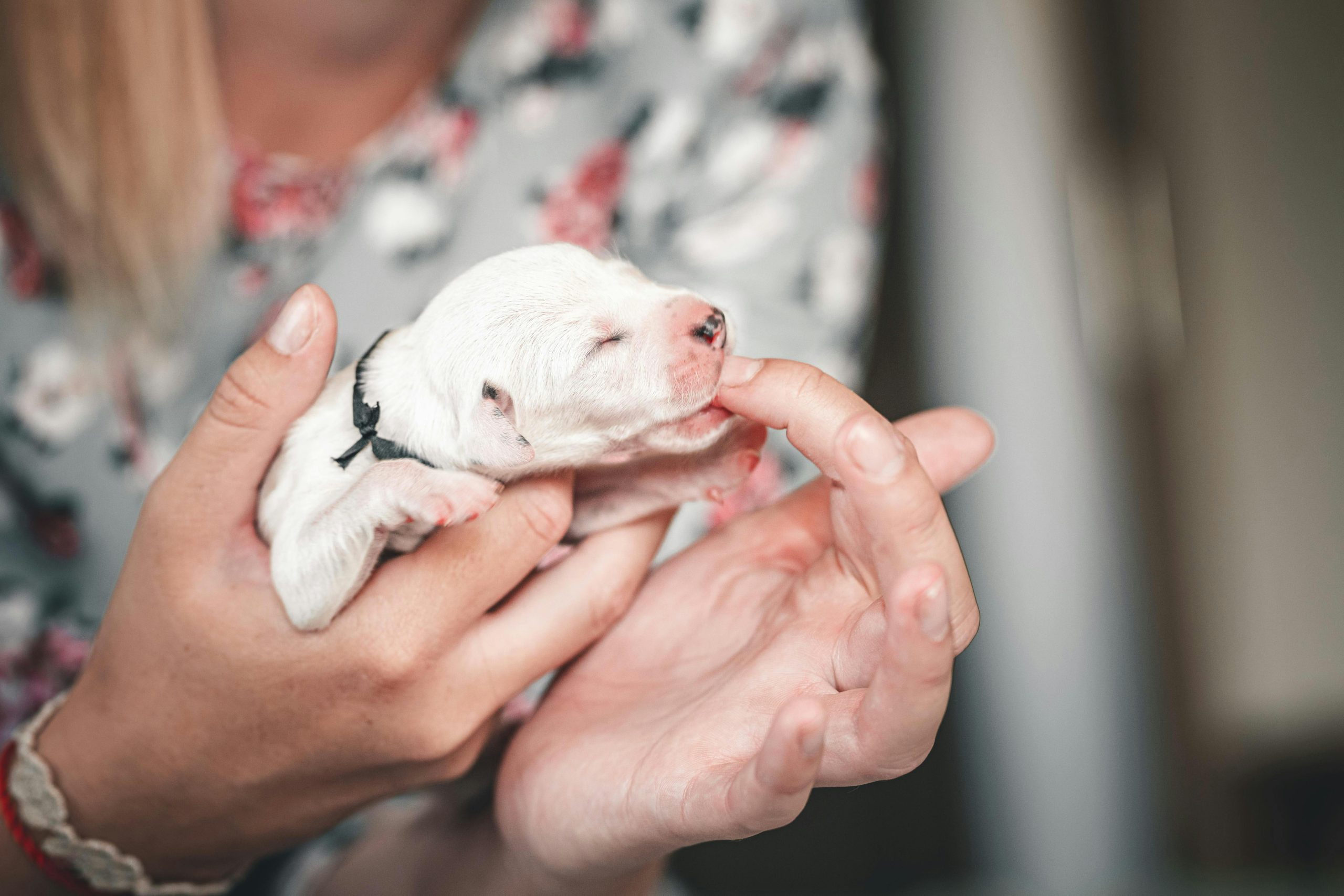
Puppy-proofing your home
Making the home safe helps prevent accidental injury and teaches your puppy boundaries. A thorough sweep for hazards reduces emergency visits to the vet.
Hazardous items to remove or secure
Many everyday objects can harm a curious puppy. Secure chemicals, houseplants, small chewable items, and cabinets to reduce risk.
| Hazard | Risk | How to secure |
|---|---|---|
| Cleaning products | Toxic if ingested | Keep in locked cabinets or high shelves |
| Electrical cords | Shock, chewing risk | Use cord covers and hide cords behind furniture |
| Small objects | Choking hazard | Keep off floors and low tables |
| Toxic plants | Digestive or organ damage | Remove or place out of reach |
| Medications | Severe toxicity | Store in locked containers |
Safe toys and chewing options
Providing appropriate chew toys redirects chewing from dangerous items and supports dental health. Rotate toys to keep your puppy engaged.
- Choose toys designed for puppies with durable, non-toxic materials.
- Avoid toys with small removable parts that can be swallowed.
- Use interactive toys like treat-dispensing puzzles to stimulate the mind.
Managing electrical and chew hazards
Protect cords and outlets and supervise initial periods when your puppy is exploring. Prevent access to areas with hazards using baby gates or closed doors.
- Cover outlets and tuck cords behind furniture or in cord covers.
- Use bitter-tasting sprays on furniture legs or cords when necessary.
- Replace or repair any frayed cords immediately.
Maintaining hygiene and odor control
Cleanliness prevents disease and keeps your home pleasant. Establish routines for washing bedding, managing accidents, and controlling parasites.
Cleaning bedding and frequency
Wash covers weekly and machine-wash pads more often if your puppy has accidents or allergies. Frequent washing removes dander, dirt, and odor.
- Use a pet-safe detergent and run hot water cycles if the bedding care label allows.
- Air-dry or tumble-dry per manufacturer instructions to maintain fabric integrity.
- Keep a spare bed or cover so you can rotate clean bedding in while others are in the wash.
Dealing with accidents
Accidents are part of puppyhood. Treat them promptly to avoid lingering smells that encourage repeat soiling.
- Blot urine immediately with paper towels or cloth before cleaning.
- Use an enzymatic cleaner to break down organic stains and eliminate odor.
- Avoid ammonia-based cleaners that can mimic scent markers and attract re-soiling.
Flea, tick, and parasite prevention
Regular parasite control keeps your puppy comfortable and prevents infestations. Consult your veterinarian for an appropriate prevention schedule.
- Use vet-recommended flea/tick preventives and check bedding often for signs.
- Wash bedding in hot water after a flea treatment to remove any pests and eggs.
- Keep your home vacuumed and wash soft surfaces to reduce parasite habitats.

Temperature and comfort
Temperature regulation is crucial for puppies, especially very young or small-breed dogs. Provide warmth when needed and protect against overheating.
Keeping your puppy warm safely
Young puppies can struggle to maintain body temperature; provide warmth without direct heat sources that can cause burns. Use safe heated pads designed for pets and monitor the temperature.
- Choose thermostatically-regulated heated beds or pads labeled for pet use.
- Place a layer of bedding between your puppy and a heated surface to prevent burns.
- Replace hot water bottles with safer alternatives such as covered heating pads and check them frequently.
Avoiding overheating
Overheating can be just as dangerous as cold exposure. Watch for signs of heat stress and provide cool areas.
- Signs of overheating include excessive panting, drooling, weakness, and red gums.
- Offer cool, shaded resting spots and access to fresh water at all times.
- Avoid leaving a puppy in a closed car or in direct sun where temperatures rise quickly.
Seasonal considerations
Adjust bedding and routines with the seasons so your puppy remains comfortable year-round. Summer needs differ significantly from winter needs.
- In summer, use lighter, breathable bedding and avoid heating pads.
- In winter, add insulated layers and provide a warm, draft-free sleeping area.
- Consider a cooling mat for heat-sensitive puppies in hot climates.
Training and behavior for safety and comfort
Training builds routines that make life safer and more comfortable for your puppy. Structure reduces anxiety and helps your puppy learn acceptable behaviors.
Crate training and denning instincts
Crate training taps into a puppy’s natural desire for a safe den and supports positive housetraining outcomes. Use the crate for set periods and always offer positive reinforcement.
- Feed meals near or inside the crate and use treats to encourage entry.
- Gradually increase time spent in the crate while you’re home to build tolerance.
- Avoid long periods in a crate, and provide enrichment when your puppy is out.
Establishing routines
Consistent daily routines for feeding, play, and sleep give your puppy predictable structure. Predictability reduces stress and helps manage potty training.
- Feed at regular times to regulate digestion and potty timing.
- Schedule short play and training sessions to use up puppy energy.
- Maintain a consistent bedtime routine to signal that it’s time to sleep.
Socialization and reducing anxiety
Proper socialization helps your puppy feel comfortable around people, other dogs, and new situations. Gradual positive exposures prevent fear-based reactions.
- Introduce new experiences gradually and pair them with treats and praise.
- Use controlled, positive interactions with other healthy puppies and adult dogs.
- Consider calming aids (music, pheromone diffusers) if your puppy struggles with new situations.
Health and veterinary care
Routine vet care protects your puppy from disease and catches issues early. A partnership with your vet helps you tailor care to your puppy’s breed, environment, and needs.
Vaccinations, deworming, and preventive schedule
Vaccinations and parasite prevention protect your puppy from common, sometimes serious diseases. Follow your veterinarian’s timetable for shots and preventive treatments.
| Age | Typical care |
|---|---|
| 6–8 weeks | First distemper/parvovirus vaccine; fecal check and deworming |
| 10–12 weeks | Second core vaccine; begin heartworm/flea/tick prevention as recommended |
| 14–16 weeks | Rabies vaccine (timing may vary by region) and final puppy boosters |
| 6–12 months | Spay/neuter discussion; adult vaccine schedule review |
Note: This is a general schedule. Always follow your veterinarian’s specific recommendations.
Monitoring for signs of illness
Early detection of health issues can be lifesaving. Learn typical warning signs and contact your vet when you notice changes.
- Watch for persistent vomiting or diarrhea, lethargy, loss of appetite, coughing, or difficulty breathing.
- Monitor for skin changes, excessive scratching, lumps, or unusual odors.
- Check gums for color changes and note any limping or reluctance to move.
Nail, ear, and dental care
Regular grooming supports comfort and prevents minor problems from becoming major issues. Create a gentle routine your puppy tolerates.
- Trim nails regularly to avoid splitting and painful overgrowth.
- Inspect ears weekly for redness, odor, or discharge and clean gently when needed.
- Brush teeth several times a week with dog-friendly toothpaste to prevent dental disease.
Traveling and temporary setups
When you travel with your puppy or leave them in a temporary environment, safe setups maintain comfort and reduce stress. Plan ahead to keep routines consistent.
Car safety and short trips
Secure your puppy in a crate or with a crash-tested harness for travel safety. Familiar bedding and short practice trips help your puppy adjust to car travel.
- Anchor crates to the vehicle or use a properly fitted canine seat belt.
- Take frequent breaks on long drives to allow for potty, water, and brief exercise.
- Never leave a puppy alone in a parked car—temperatures can become dangerous quickly.
Temporary boarding and pet-sitters
If your puppy stays with a sitter or boarder, provide clear instructions and trusted bedding to maintain familiarity. A short transitional object with your scent helps reduce stress.
- Leave your puppy’s regular bed and a worn t-shirt you’ve slept in to comfort them.
- Provide feeding schedules, medication instructions, and emergency contacts.
- Visit the boarding facility ahead of time to assess cleanliness, staff training, and crate setups.
Selecting supplies and budgeting
You don’t need to spend a fortune to keep your puppy comfortable and safe, but investing in key items saves money in the long run by preventing health issues.
Starter checklist
A basic starter kit ensures you have essentials to begin life with your puppy comfortably and safely.
| Item | Purpose |
|---|---|
| Supportive bed with washable cover | Daily sleep and comfort |
| Crate with divider | Safe den and training tool |
| Water and food bowls (stainless steel) | Durable, sanitary feeding |
| Quality puppy food | Proper nutrition for growth |
| Collar, ID tag, leash | Identification and control |
| Puppy-safe toys | Chewing outlet and enrichment |
| Cleaning supplies (enzymatic cleaner) | Accident cleanup |
| Basic grooming tools | Nail trim, ear and coat care |
Tips for saving money safely
Shop smart and prioritize safety over low price when it comes to items that affect health.
- Buy a high-quality bed with a replaceable cover rather than a cheap, non-washable bed.
- Look for manufacturer sales, second-hand bedding that can be thoroughly cleaned, or reusable waterproof liners.
- Choose reputable brands for crates and car restraints—safety standards matter.
Common mistakes to avoid
Common errors can undermine comfort and safety even with the best intentions. Avoid these pitfalls to keep your puppy healthy and secure.
Using unsafe or poorly sized bedding
Bedding that’s too large, too small, or made of unsafe materials can create discomfort or hazards. Ensure the bed suits your puppy’s size and chewing behavior.
- Avoid mattresses that compress completely under weight and no longer support joints.
- Replace bedding promptly if it becomes torn, exposing filling that could be ingested.
Ignoring routine cleaning and parasite control
A clean environment is part of safety and health. Neglecting regular cleaning or parasite prevention can lead to illness and discomfort.
- Establish a washing schedule and stick to vet-recommended parasite prevention.
- Monitor for fleas and ticks after outdoor time, especially in warm months.
Final checklist and quick reference
Use this quick checklist to ensure you’ve covered the essentials for a comfortable, safe puppy setup. Keep it handy as you settle your puppy into your home.
- Choose a bed that fits adult size, supports joints, and has a washable cover.
- Set up a crate in a quiet, draft-free spot and introduce it positively.
- Remove hazardous items, secure cords, and lock chemicals out of reach.
- Provide chew-safe toys and rotate them to maintain interest.
- Wash bedding weekly and treat accidents with enzymatic cleaners.
- Maintain parasite prevention, vaccination, and regular vet checkups.
- Monitor temperature and provide safe warmth without risking overheating.
- Establish routines for feeding, potty breaks, play, and sleep to reduce stress.
Caring for your puppy’s comfort and safety takes attention, time, and a few good investments. By choosing the right bedding, puppy-proofing your home, keeping a clean environment, and following basic health routines, you’ll help your puppy grow into a confident, healthy dog. If you ever have doubts about bedding materials, behavioral concerns, or health signs, contact your veterinarian for personalized guidance.