Are you looking for the best way to give your puppy, small dog, or cat a soft, secure place to sleep so they can grow and rest well?


Soft Cotton Pet Beds For Healthy Sleep
Choosing the right bed is one of the most important steps you can take to support your pet’s comfort and health. Soft cotton beds offer breathability, gentle cushioning, and easy care—all important for young or small pets that sleep a lot and need supportive surfaces to rest and recover.
Why cotton matters for pet beds
Cotton is a natural fiber that breathes, feels soft, and is generally hypoallergenic when processed without harsh chemicals. You’ll find cotton beds keep your pet comfortable year-round: they stay cooler in warm weather and, when layered or filled with the right materials, can provide cozy insulation in cooler months. Because cotton is washable, you can keep the bed clean and reduce odors and bacteria that can accumulate from accidents or regular use.
How a good bed supports healthy sleep
A well-designed bed cushions joints, supports developing bones, and provides a safe, personal space for your pet. This is especially important for puppies and kittens whose bodies are still growing and for small adult pets that can lose body heat quickly. The right bed can reduce anxiety, improve sleep quality, and decrease nighttime restlessness.
Benefits of a dedicated sleeping spot
When your pet has its own bed, it learns boundaries and a sense of security. You provide a consistent spot for rest, which helps with training and reduces the chances of sleeping in unsafe places like cold floors or drafty corners. A designated bed also protects your furniture and helps manage shedding and dander in a specific, washable area.
Types of soft cotton pet beds
There are many styles of cotton-based beds to choose from; each style meets different needs depending on your pet’s age, size, sleeping style, and medical needs.
Nest-style (donut) beds
These beds have raised sides and a recessed center that encourage curling up. They provide a cozy, enclosed feeling that is especially comforting to puppies and cats who instinctively seek warmth and protection.
- Best for: Curlers, anxious pets, kittens, small dogs.
- Why it works: Raised rims offer head and neck support and a sense of security.
Bolstered beds
Bolstered beds feature one or more raised edges and a flatter central cushion. They combine structure and open space, so pets that like to rest their head on a pillow-like edge benefit from both support and space.
- Best for: Pets who like to sprawl but still rest heads on an elevated rim.
- Why it works: Offers mixed support and is more open than a fully enclosed nest.
Flat cushions and mats
Simple cotton cushions or pads are versatile and lightweight. They work well in crates, carriers, or on furniture. You can move them easily, and they’re often easier to wash and dry.
- Best for: Crate training, travel, pets that stretch out when sleeping.
- Why it works: Low profile, easy to layer, and often more affordable.
Orthopedic foam beds with cotton covers
Orthopedic beds combine supportive foam or memory foam cores with soft cotton covers. These are used when extra joint support is needed, such as for growing puppies at risk of hip or joint issues, or older small dogs developing arthritis.
- Best for: Pets needing extra support or recovering from injury.
- Why it works: Foam core reduces pressure on joints while cotton cover stays soft and breathable.
Sherpa-lined cotton beds
These blend cotton exteriors with fluffy sherpa or faux-shearling inner linings to provide a plush, warm surface. The cotton outer layer helps with breathability while the inner lining increases warmth.
- Best for: Pets that seek extra warmth or sleep in cooler environments.
- Why it works: Keeps warmth trapped closer to the body while remaining comfortable.

Materials and fillings: what to look for
Choosing the right filling changes how the bed supports your pet. You’ll want to balance softness with structure, and prioritize safe, non-toxic materials.
Natural cotton and organic cotton
Natural cotton or certified organic cotton avoids many pesticides and harsh dyes. This is a good option if your pet has sensitive skin or allergies. Organic cotton often undergoes gentler processing and fewer chemical treatments.
- Pros: Breathable, softer over time, better for sensitive skin.
- Cons: Can be pricier and may wrinkle or compress faster without good filling.
Cotton blends
Blends (cotton-polyester) increase durability and reduce wrinkling. They may be easier to clean and last longer with heavy use, but they can be slightly less breathable than pure cotton.
- Pros: Durable, often more stain resistant, lower cost.
- Cons: Less natural feel, reduced breathability compared to pure cotton.
Fillings: polyester fiberfill, cotton batting, foam
- Polyester fiberfill: Soft, fluffy, inexpensive, and machine-washable. It provides a plush feel but may flatten over time.
- Cotton batting: More natural, breathable, and comfortable, but can compress and be harder to fully dry after washing.
- Foam (polyurethane or memory foam): Provides firm support and maintains shape longer. Memory foam offers pressure relief for joints but can retain heat unless ventilated.
Safety and non-toxic certifications
Look for materials labeled as non-toxic, OEKO-TEX, or similar certifications that indicate the fabric and dyes don’t contain harmful substances. Especially for puppies and kittens who may chew or lick their bedding, safer materials reduce health risks.
Choosing the right size and shape for your pet
Size matters: a bed too small forces curling but may not allow comfortable stretching, while a bed too large defeats the sense of secure enclosure. Choose based on your pet’s current weight and expected adult size if they’re still growing.
Size guide table
| Pet size | Typical weight range | Suggested bed size |
|---|---|---|
| Extra small | Under 5 lbs | 16–20 inches diameter or small mat |
| Small | 5–20 lbs | 20–26 inches diameter or small/medium cushion |
| Medium-small | 20–40 lbs | 26–32 inches diameter or medium cushion |
| Multi-pet or large small breed | 40+ lbs | 32+ inches or large cushion |
Use this as a starting point and measure your pet when they’re relaxed and stretched out to ensure enough length and width for comfortable sleep.
Shape considerations
- Round or donut: Great for curlers and pets that like to snuggle.
- Rectangular: Best for pets that stretch or multiple small pets sharing.
- Oval/oblong: A compromise for pets that sometimes curl and sometimes stretch.
Temperature and warmth management
Cotton is breathable, which helps coolness, but you can design the bed setup to manage warmth. Use thicker fillings or sherpa linings for colder months, and opt for minimal padding for hot climates.
Seasonal adjustments
- Summer: Choose a low-profile cotton mat or a cotton cover with breathable foam.
- Winter: Add a cotton cover over a thicker cotton batting or place the bed on an insulated surface.
- Transitional weather: Use removable liners or washable inserts to adjust thickness.
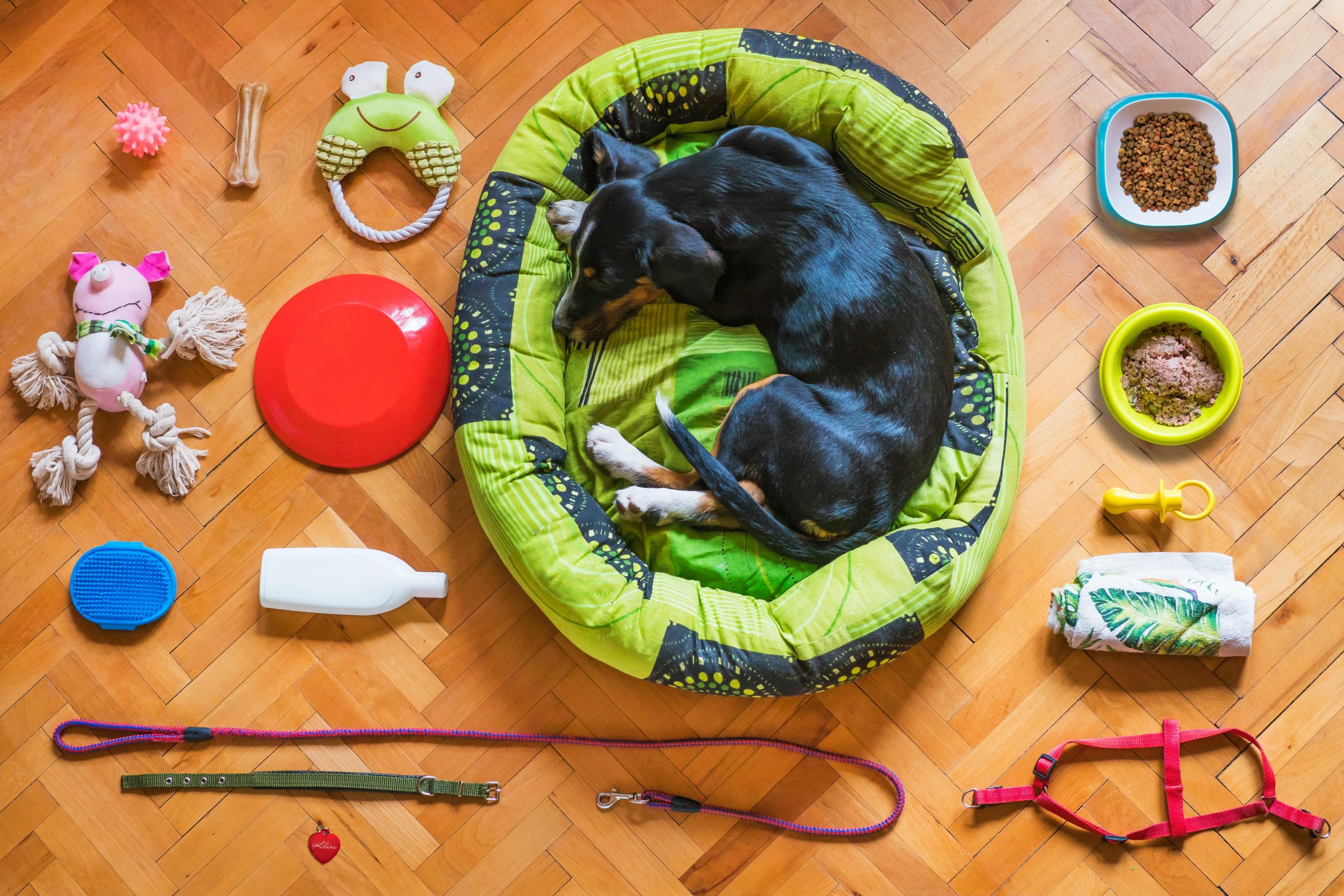
Hygiene: washing, stains, and smells
Keeping the bed clean is essential for health. Frequent washing prevents odors, bacteria growth, and allergen buildup, particularly important during puppy potty training or kitten litter learning stages.
Washing frequency recommendations
- Puppies in training: Wash 2–3 times per week or as needed after accidents.
- Kittens learning habits: Wash 1–2 times per week.
- Healthy adult small pets: Wash weekly or every other week.
- Pets with skin issues or odors: Wash more frequently as recommended by your veterinarian.
Washing instructions table
| Task | Temperature | Detergent | Cycle | Drying |
|---|---|---|---|---|
| Surface dirt & hair | Cold | Mild, pet-safe | Gentle | Air dry or low heat |
| Minor stains | Warm (not hot) | Mild enzyme cleaner safe for fabrics | Gentle | Low heat or air dry |
| Heavy soils/accidents | Warm-to-hot if fabric allows | Pet-safe detergent, small amount bleach only if fabric/label permits | Normal if bed is sturdy | Low heat for polyester; air dry for cotton batting |
| Foam inserts | Spot clean or hand wash | Mild soap | N/A | Air dry completely, avoid machine drying foam |
Always check the manufacturer’s label. Remove foam inserts before machine washing covers to preserve foam quality. Ensure all fillings are fully dry before use to prevent mildew.
Odor control and stain removal tips
- Use baking soda: Sprinkle on the bed, let sit, then vacuum to neutralize odors.
- Enzyme cleaners: Effective for removing urine and organic stains; follow the product instructions.
- Sun drying: Natural sunlight helps kill bacteria and reduce odors.
- Waterproof liners: Use a thin, breathable waterproof liner beneath the cover to protect inner filling from repeated accidents.
Durability and chew safety
Puppies and some cats love to chew. Cotton can be tempting if it’s soft and loose. Choose beds with reinforced seams, durable zippers, and chew-resistant fabric if your pet is a chewer.
How to mitigate chewing damage
- Offer chew toys to redirect the behavior.
- Choose cotton blends or tighter weaves that resist nibbling.
- Supervise new puppies with beds until you’re confident they won’t chew.
- Consider crate training during unsupervised times to protect both bed and pet.
Health and orthopedic considerations
Young pets’ joints and bones develop rapidly. Supportive bedding can prevent strain and promote healthy growth, while inadequate bedding may contribute to discomfort.
When to choose an orthopedic option
- Breeds predisposed to hip or joint conditions.
- Pets recovering from injury or surgery.
- Pets showing stiffness, reluctance to jump, or difficulty lying down/getting up.
Orthopedic beds with a memory foam core wrapped in cotton provide pressure relief and help align the spine and joints during sleep.
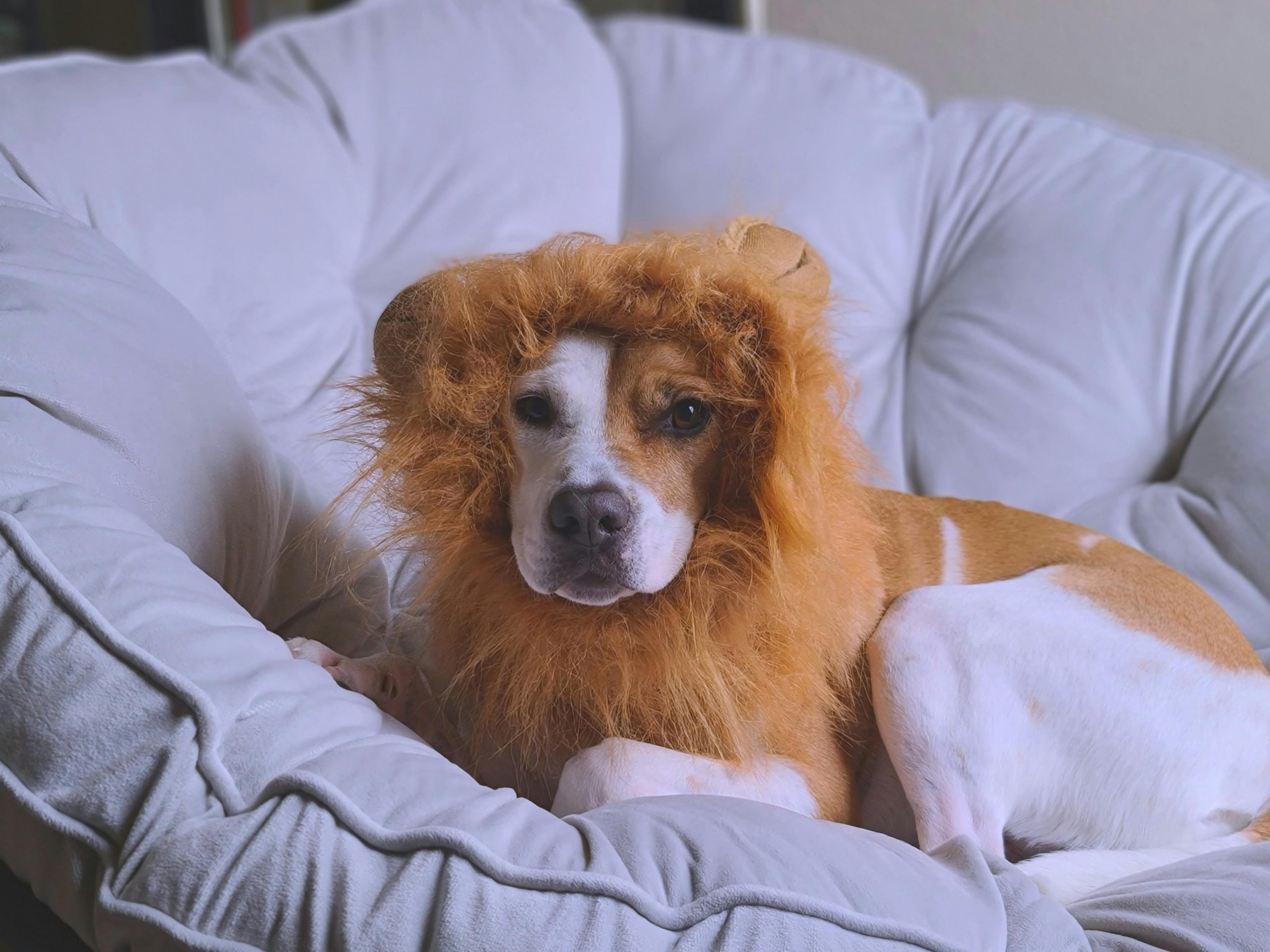
Selecting a bed for specific needs
Different life stages and situations call for different choices. Tailor your selection to match your pet’s daily routine, health, and behaviors.
For puppies in training
Choose a washable, low-profile cushion or crate pad with a waterproof liner. You’ll need something that can be cleaned quickly and dried thoroughly to prevent mildew. Look for durable stitching and a removable cover to speed laundering.
For kittens and small cats
Kittens often prefer enclosed, nest-like beds. Choose a small donut bed or a plush cotton-lined hideaway. A machine-washable cover and a stable shape that won’t collapse under playful paws are helpful.
For older small dogs
Prioritize joint support and ease of entry. An orthopedic foam base with a soft cotton cover and low sides will make it easier for older pets to get in and out while protecting pressure points.
For anxious pets
Bolstered or high-sided nest beds create a den-like atmosphere that can reduce stress. Add a familiar-smelling blanket or an item with your scent to further calm your pet.
Buying tips and budget considerations
You don’t need to spend a fortune to find a comfortable cotton bed, but spending slightly more on quality materials often saves money later because the bed lasts longer and supports health better.
What to prioritize
- Washability: Removable covers and machine-safe materials make life easier.
- Durability: Reinforced seams, quality zippers, and tight weaves prevent premature wear.
- Support: Choose the right level of firmness for your pet’s needs.
- Safety: Non-toxic materials and secure stitching are essential.
Budget guide
- Budget ($10–$30): Basic cotton mats or small cushions, suitable for travel or temporary use.
- Mid-range ($30–$80): Better construction, removable covers, bolstered styles.
- Premium ($80+): Orthopedic foam cores, organic cotton covers, specialized designs for medical or extreme comfort needs.
DIY cotton pet bed: simple and affordable
You can make a comfortable cotton bed at home with basic sewing skills and supplies. A DIY bed allows you to customize size, thickness, and materials.
Quick DIY instructions (simple pillow bed)
Materials:
- 2 yards of durable cotton fabric (or a cotton blend)
- Polyester fiberfill or cotton batting
- Sewing machine or needle and thread
- Scissors, measuring tape, zipper or buttons (optional)
Steps:
- Cut two rectangles or circles to your desired size, adding 1 inch for seam allowance.
- Place fabric pieces right sides together and sew around leaving a small gap.
- Turn right side out and stuff with fiberfill or batting until the bed reaches your desired firmness.
- Hand-stitch the gap closed or add a zipper for a removable cover.
- Optionally, top-stitch around the bed to keep filling from shifting.
This approach gives you control over firmness and materials and keeps costs low.
Environmental and ethical considerations
If sustainability matters to you, look for beds made with organic cotton, recycled fillings, and responsible manufacturing. Some companies use reclaimed fiberfill or natural latex foam to reduce environmental impact.
End-of-life disposal
When a bed reaches the end of its life, check whether components can be recycled. Remove foam inserts and dispose of them according to local guidelines. Fabric covers can sometimes be repurposed as cleaning rags.
Common mistakes to avoid
- Buying a bed solely for looks without considering function or comfort.
- Choosing too small a bed that forces your pet into an uncomfortable position.
- Ignoring wash instructions, which shortens the bed’s life and increases odor risks.
- Overlooking safety features, like secure seams and non-toxic materials, especially for chewers.
Troubleshooting and training tips
If your pet resists their new bed, patience and positive reinforcement will help. Start by placing treats or toys on the bed and rewarding them when they use it. Keep the bed in a quiet, comfortable spot that your pet already likes, and avoid forcing them into it.
Encouraging your pet to use the bed
- Place a soft blanket with your scent on the bed.
- Feed treats or meals near the bed to create positive associations.
- Praise and reward when they settle on the bed voluntarily.
Frequently asked questions
How often should I replace a pet bed?
Replace a pet bed when you notice it won’t regain its shape, the filling is permanently compressed, or it shows significant wear or tears. For many beds, this is every 1–3 years depending on usage and material quality.
Can I use a human pillow or blanket for my pet?
You can temporarily, but human bedding may not hold up to washing or chewing patterns. Human pillows may contain chemicals not intended for pets; choose pet-specific or washable options for regular use.
Is cotton good for hot-weather climates?
Yes. Cotton’s breathability and moisture-wicking properties help keep pets cooler in warm weather. Use low-profile cotton mats and avoid heavy fillings that trap heat.
Are waterproof beds safe and comfortable?
Waterproof liners are useful for protecting fillings from accidents, but fully waterproof outer shells can trap heat and moisture. A breathable waterproof liner under a cotton cover balances protection and comfort.
Summary and next steps
You can make a big difference in your pet’s sleep quality and health by choosing a soft cotton bed that matches their size, sleeping style, and needs. Prioritize washability, safe materials, and appropriate support for growing joints. Whether you pick a plush donut bed for a curled kitten, a bolstered cushion for a small dog, or an orthopedic foam core with a cotton cover for extra support, the right bed will help your pet sleep better, feel safer, and stay healthier.
Take a moment to measure your pet, consider their habits and any health concerns, and then choose a cotton bed that gives them the comfort and support they deserve. A well-chosen bed will be a cozy refuge your pet returns to again and again.