?Are you looking for a natural, warm, and comfortable bed that keeps your puppy, small dog, or cat cozy through naps and long sleeps?
Wool Pet Beds For Natural Warmth And Comfort
Wool pet beds offer a unique combination of natural insulation, breathability, and comfort that can help your pet sleep better and feel more secure. Whether you have a curious kitten, a playful puppy, or a senior companion with sensitive joints, wool can provide a soft, supportive surface while managing temperature and moisture naturally. This article walks you through everything you need to know about wool pet beds — what makes them special, how to choose and care for them, safety considerations, and practical buying and DIY tips.

Why a good bed matters for your pet
A well-designed bed affects more than just sleep. It supports growth, cushions joints, and creates a space that feels like a safe den where your pet can relax. Young and small animals spend a lot of time sleeping, and a bed that offers softness and support reduces stress and helps maintain health. You’ll also find that a bed that manages moisture and odors reduces bacterial growth and keeps your home cleaner.
What makes wool a smart choice for pet bedding
Wool is a natural fiber with properties that make it especially suitable for pet beds. It insulates when it’s cold and breathes when it’s warm, so your pet doesn’t overheat or sit on damp material. Wool naturally resists odors and is somewhat antimicrobial, which is useful when you’re dealing with the occasional accident. The fiber’s resilience gives cushioning that springs back, helping a bed hold shape and provide lasting comfort.
Thermal regulation and breathability
Wool fibers trap air in tiny pockets, creating insulation that keeps heat in without making your pet sweaty. At the same time, the fibers wick moisture away from the body and allow air to circulate, so the bed remains comfortable in varied temperatures. This makes wool versatile across seasons and climates.
Moisture-wicking and odor control
Wool can absorb a significant amount of moisture without feeling wet. That property helps keep your pet dry if they have damp fur after a walk or a bath. Wool’s natural lanolin and fiber structure also slow bacterial growth and reduce the buildup of odors, so beds smell fresher for longer.
Durability and resilience
High-quality wool resists matting and compacts less over time than some synthetic fills. It springs back after compression, providing cushioning that supports joints and pressure points. For pets that like to burrow or nest, wool holds its loft rather than collapsing flat.
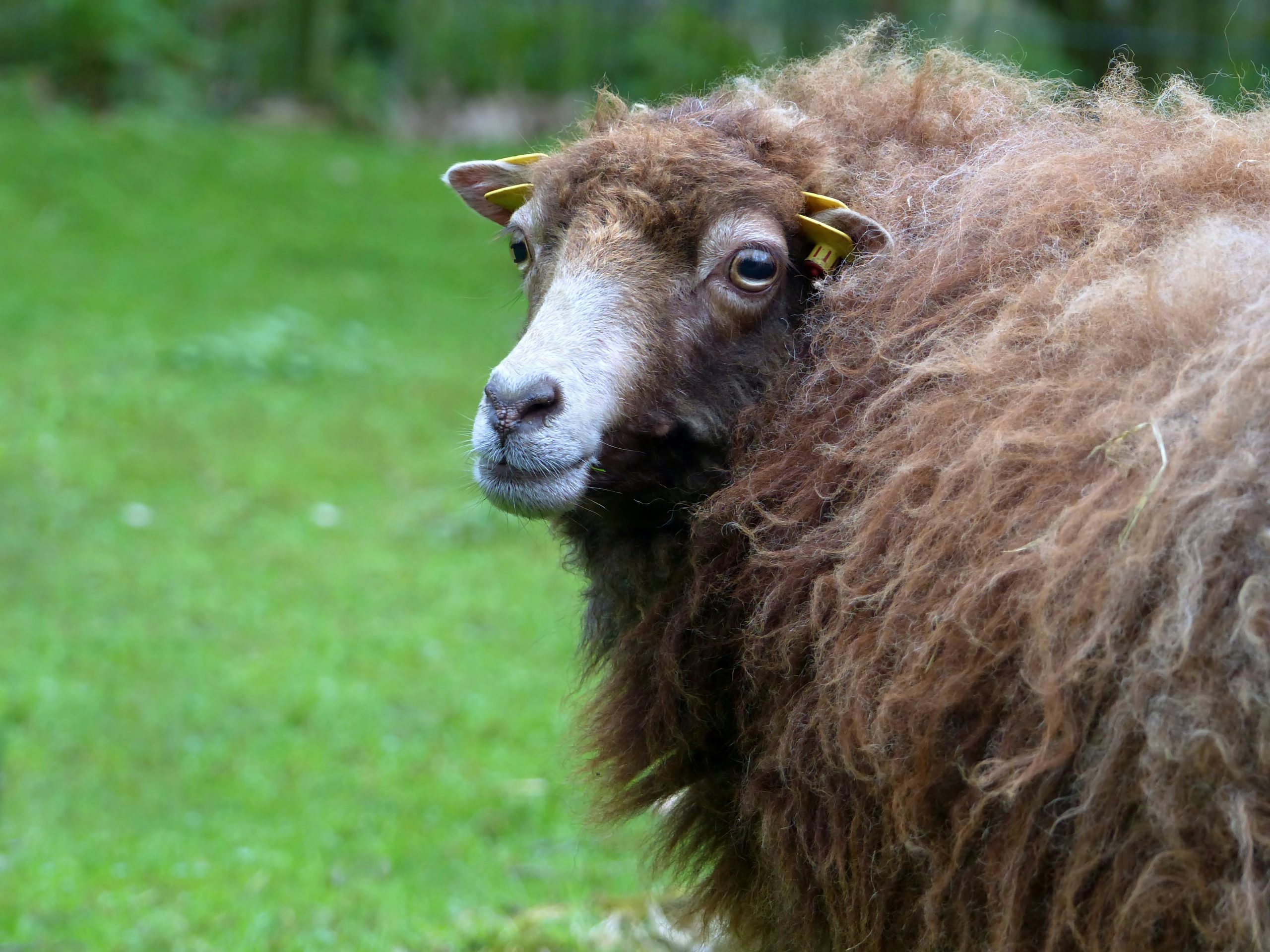

Types of wool pet beds and fill options
Wool beds come in several constructions. Choosing the right type will depend on your pet’s age, habits, and needs, along with your preferences for care and maintenance.
Felted wool beds
Felted wool beds are made by matting wool fibers together into a dense fabric or even shaping them into a bowl-like nest. These beds are sturdy, naturally insulating, and often machine or hand felted to create a seamless, cozy structure. You’ll find them in nest or donut shapes that appeal to pets who like to curl up.
Wool-filled cushion beds
These beds use a removable cover filled with loose wool or wool batting. The cover is often washable and the wool inside provides loft and softness. If your pet has accidents, you can usually remove the cover for cleaning while maintaining the wool fill inside as a warm, breathable cushion.
Wool blend and mixed-fill beds
Some beds combine wool with synthetic fibers or foam cores. Blends aim to balance wool’s natural properties with the stability and cheaper cost of synthetics. A memory-foam base wrapped with wool batting gives both orthopaedic support and natural temperature control.
Woven and knitted wool covers
For a traditional look, woven or knitted wool covers house a separate inner cushion. These covers can be durable and attractive, and you can pair them with different inner fills depending on how firm or soft you want the bed to be.
Recycled and ethical wool options
Sustainable brands offer recycled wool or certified ethical wool (e.g., non-mulesed, organic standards). These options reduce environmental impact while keeping the benefits of sheep’s wool.
How wool keeps your pet comfortable through different seasons
Wool’s thermal properties allow it to adapt to changes in temperature so your pet can stay comfortable year-round. Here’s how this works in practice.
In cold weather
Wool traps insulating air close to the pet’s body, preventing heat loss to the floor or drafts. For puppies and senior pets who have trouble staying warm, a thick wool bed or a felted nest can provide much-needed cozy insulation.
In warm weather
Wool’s breathability and moisture-wicking help your pet avoid overheating. The fiber draws sweat and dampness away from the skin, releasing it into the air so your pet can stay comparatively dry and cooler than on synthetic materials.

Choosing the right wool bed for your pet’s life stage
Different life stages require different types of support. A bed that meets your pet’s current needs will help with growth, recovery, and quality of sleep.
For puppies and kittens
Young pets benefit from softer, nest-style beds that provide a sense of security and warmth. Look for beds with washable covers and avoid loose wool tufts that a chewing pup or kitten might pull out and ingest. A washable liner is a big advantage when potty training or handling frequent spills.
For adult pets
Active adult dogs and cats typically need a balance of cushioning and structure. Wool-filled cushions or beds with a firm base and wool top layer provide comfort without too much sink. Choose a bed with enough surface area for stretching.
For seniors and pets with joint issues
Older pets often need extra support. Look for beds that combine an orthopedic foam base with a wool top layer for temperature regulation and softness. A low-entry bed helps pets with limited mobility get in and out easily, and bolstered edges can provide head and neck support.
Safety and allergy considerations
Wool is safe for most pets, but there are some considerations to keep in mind to keep your pet healthy and avoid problems.
Lanolin sensitivity and allergies
A small number of animals (and humans) can be sensitive to lanolin or wool fibers. If your pet shows redness, itching, or skin irritation after new contact with wool, stop use and consult your veterinarian. Choosing processed or washed wool with lower lanolin content can reduce reactions.
Chewing and ingestion risks
Puppies and teething dogs may chew bedding. Loose wool fibers or batting present a risk if swallowed. For chewers, choose sealed, felted wool or a bed with an inner wool fill enclosed in a chew-resistant cover. Monitor young pets when introducing new bedding.
Flame resistance
Wool is naturally flame-retardant compared with many synthetics, which is an advantage if you use beds near fireplaces or stoves. Still, don’t place any bedding directly on or too close to open flame or heating elements.
Pesticide and chemical residues
Buy wool that’s processed without heavy chemical treatments. Look for organic or low-impact processing labels if you’re concerned about residues that could irritate sensitive pets.

How to choose the right size and shape
The right size and shape depend on your pet’s sleep habits, weight, and mobility. The right bed will let them stretch, curl, or sprawl comfortably.
Measuring for size
Measure your pet from nose to tail while they’re stretched out and add a little extra for movement. Standard recommended sizes are often listed by weight, but always check actual dimensions. If your pet likes to curl, a round or donut-style bed is good; if they like to stretch, pick a rectangular cushion that allows full extension.
Shape and sleep style
- Curling pets: Donut or nest-style felted beds provide bolstered sides that support a curled posture.
- Stretchers: Rectangular mats, pads, or bolstered cushions allow full-body extension.
- Anxiety or shy pets: Enclosed felted nests or beds with higher sides can feel like a den, providing security without being too confining.
Access and mobility
For senior pets, choose a low-entry bed so they don’t need to climb in. Non-slip bottoms help older or arthritic pets get into position without sliding on hardwood or tile.
Cleaning and caring for wool pet beds
Proper care extends the life of a wool bed and keeps it hygienic. Wool needs different handling than polyester or foam, but it’s manageable with the right approach.
Everyday maintenance
Brush or shake the bed outdoors to remove hair and debris. A vacuum with an upholstery attachment works well for removing trapped fur. Rotate and fluff the bed regularly to maintain loft.
Spot cleaning
Address spills or accidents immediately. Gently blot liquid with a clean cloth — avoid rubbing, which spreads the stain. Use a mild wool-safe detergent or a vinegar-water solution (balanced appropriately) for light spot treatment.
Washing guidelines
- Removable covers: Machine wash on a gentle cold cycle with wool-safe detergent, then air-dry flat. Avoid hot water and high heat drying to prevent wool shrinkage and felting.
- Wool-filled cushions without removable covers: Hand-wash or use professional cleaning when necessary. Some wool-filled beds can be dry-cleaned, but always follow the manufacturer’s guidelines.
- Felted wool beds: Spot clean when possible, otherwise hand wash carefully and reshape while damp. Felting can shrink or distort if treated with hot water or agitation.
Dealing with odors and stains
For persistent odors, let the bed air outside in a shaded area so it can breathe. For stains, a mix of water and a small amount of wool detergent is usually effective; for urine, rinse thoroughly and neutralize odor with an enzyme cleaner approved for wool surfaces if needed.
Table — Quick care reference
| Task | Recommended action |
|---|---|
| Daily hair removal | Vacuum or brush with pet hair attachment |
| Spot cleaning | Blot, mild wool detergent, rinse, air-dry |
| Machine washing (cover) | Gentle cold cycle, wool detergent, reshape, air-dry flat |
| Whole bed washing | Hand wash or professional cleaning, follow label |
| Odor removal | Air outdoors, enzyme cleaner (wool-safe) for strong odors |
| Drying | Avoid tumble dryer; dry flat in shade |
Durability and lifespan expectations
Wool beds are long-lasting when cared for properly. High-quality wool resists compression and maintains loft longer than many cheap synthetic fills. Expect a well-made wool bed to last several years, depending on use and your pet’s behavior. If your pet chews or claws frequently, the fabric may wear faster.
Repair and refresh options
Small tears and worn spots can often be repaired by sewing or patching. Over time you may need to re-fluff internal batting or top up filling. For felted beds, some wear can be remedied with light re-felting or professional restoration.
How wool compares to other bedding materials
Choosing a bed often means weighing wool against foam, polyester, down, or heated beds. Wool has advantages and trade-offs depending on what you prioritize.
Comparison table — Wool vs common alternatives
| Material | Warmth | Breathability | Support | Washability | Durability | Eco-friendliness |
|---|---|---|---|---|---|---|
| Wool | High, naturally insulating | High | Moderate to good (with proper fill) | Good (with care) | High | High (biodegradable, renewable) |
| Memory foam | Moderate | Low | Excellent (orthopedic) | Varies (covers washable) | High | Low (synthetic) |
| Polyester fill | Moderate | Low to moderate | Low to moderate | High (easy) | Moderate | Low (synthetic) |
| Down | Moderate | Moderate | Low | Varies | Moderate | Medium (depends on sourcing) |
| Heated beds | Variable (active warmth) | Low | Varies | Varies | Varies | Low to medium (energy use) |
Wool stands out for natural warmth and environmental credentials, while memory foam excels for orthopedic support. Depending on your pet, a combined approach (foam core with wool top) may give you the best of both worlds.
Environmental and ethical considerations
If sustainability matters to you, wool has strengths but also considerations. Wool is renewable and biodegradable, but processing methods and sheep management practices vary.
Choosing ethically sourced wool
Look for certifications or brand transparency on humane sheep treatment, non-mulesed sourcing, and minimal chemical processing. Organic wool and fair-trade labels indicate lower environmental impact and better animal welfare.
Recycled and repurposed wool
Some manufacturers use reclaimed wool or offcuts from the apparel industry, reducing waste. Recycled wool retains many of the same benefits while lowering environmental footprint.
End-of-life
Wool is biodegradable and compostable under the right conditions. If a bed becomes unusable, you can usually repurpose it as stuffing, insulation, or compost the natural fiber (removing non-natural components first).
Introducing a wool bed to your pet
A new bed is an adjustment. With gentle encouragement and a few practical steps you can help your pet accept and enjoy its new sleeping spot.
Tips for smooth introduction
- Place the bed in a familiar resting area or where your pet already naps.
- Put a blanket or small piece of your clothing on the bed so it carries your scent.
- Encourage use with treats and praise; toss a favorite toy onto the bed to create positive association.
- If your pet is nervous, allow short supervised visits until they become comfortable.
Handling resistance
If your pet ignores the bed, try moving it to another location, or use a full-body familiar blanket instead of an unfamiliar surface. Patience works best — some pets take time to warm up.
DIY: Making a simple wool pet bed
If you enjoy crafts, you can make a wool bed tailored to your pet. Here’s a simple checklist and step-by-step outline for a wool-filled cushion with a washable cover.
Materials you’ll need
- Outer fabric (durable cotton canvas or washable wool blend)
- Inner liner fabric (breathable cotton)
- Wool batting or loose wool fill (choose clean, processed wool)
- Sewing machine and thread
- Zipper or buttons (for removable cover)
- Measuring tape and scissors
Basic steps
- Measure your pet and cut fabric pieces according to the desired bed size, adding seam allowance.
- Sew the inner liner into a pillow and fill with wool batting to the desired loft, stitching closed.
- Sew the outer cover, leaving one side open for the zipper or closures.
- Insert the filled liner, close the cover, and topstitch openings for durability.
- Test firmness and adjust fill if needed.
Safety notes
Use tightly sewn seams and avoid loose fibers that curious pets might pull out. If your pet chews bedding, opt for a felted bed or tightly enclosed fill.
Buying tips — what to look for when shopping
When you’re shopping for a wool bed, look carefully at construction and features that match your needs.
Key features to evaluate
- Removable, machine-washable cover for easy cleaning
- Non-slip base for safety on hard floors
- Reinforced seams and durable zippers/buttons
- Fill description (100% wool, wool blend, or foam core with wool top)
- Certifications or sourcing transparency for wool
- Size and shape that match your pet’s sleep style
- Warranty or return policy for trial use
Price vs quality
Lower-priced beds may use wool blends or minimal wool content, which reduces benefits. Investing in a higher-quality wool bed often gives better durability and long-term comfort.
Frequently asked questions
A quick FAQ to address common concerns you might have about wool pet beds.
Will a wool bed make my pet too hot?
Wool regulates temperature by insulating in cold and wicking moisture in warm conditions. Most pets will be comfortable; if your pet tends to overheat in any material, monitor and choose a bed with breathable construction or lower loft.
Are wool beds washable?
Many wool beds have removable covers that are machine-washable on gentle cycles with wool-safe detergent. Whole wool-filled or felted beds may require hand washing or professional cleaning — always check manufacturer instructions.
My pet has allergies — will wool trigger them?
Some pets (and people) have sensitivities to lanolin or wool fibers. If you suspect an allergy, test a small area of contact and watch for reactions. Processed or washed wool can reduce lanolin content.
Do wool beds repel fleas?
Wool’s texture and lanolin can be less hospitable to pests than synthetic fibers, but wool alone won’t prevent flea infestations. Use proper flea control measures for your pet and environment.
Can puppies or kittens chew wool safely?
Ingesting fibers can cause gastrointestinal issues. For teething or chewing animals, use sealed felted wool or a bed with a chew-resistant cover, and supervise early interactions.
Wrapping up — is a wool pet bed right for your pet?
If you want a natural, breathable, and warm sleeping surface that supports temperature regulation and long-term comfort, wool pet beds are an excellent choice. They perform well across seasons, resist odors, and can be part of an environmentally conscious purchase. Consider your pet’s chewing habits, mobility, and any sensitivities when selecting a style. With the right bed and proper care, you’ll help your furry companion get the restorative sleep they need to stay healthy and happy.
If you’d like, I can recommend specific wool bed models for puppies, senior dogs, or cats based on your pet’s size and habits, or walk you through a DIY design tailored to your space. Which would you prefer?