Are you trying to find a pet bed that will stay comfortable, clean, and intact while your small dog, puppy, or cat grows and plays?

Durable Polyester Pet Beds For Small Pets
You want a bed that fits your small pet’s needs and lasts through naps, scruffles, and the occasional accident. Durable polyester pet beds offer a balance of softness, durability, and ease of care that makes them a strong choice for puppies, small dogs, and cats.
Why Polyester Works Well for Small Pets
Polyester is a synthetic fiber that can be engineered for different textures, strengths, and performance characteristics. That versatility means manufacturers can create soft, plush surfaces that still stand up to daily use and frequent washing.
Durability and Strength
Polyester resists abrasion and holds fibers together better than many natural fabrics, so it tends to maintain shape and integrity longer. You’ll find that seams and surface fibers wear more slowly, which is helpful when small pets scratch, knead, or burrow.
Softness and Comfort
Polyester can be woven or knitted into very soft, plush fabrics that mimic fur without the maintenance of real hide. Your pet gets a cozy, warm surface that’s gentle on growing joints and sensitive skin.
Moisture Resistance and Quick Drying
Unlike cotton, polyester doesn’t absorb water as readily, so spilled water or urine won’t saturate the fabric as deeply. That means less time feeling damp and faster drying after laundering, reducing the chance of lingering odors or bacterial growth.
Allergy and Odor Control
Polyester itself is generally hypoallergenic compared with some natural fibers that can harbor dust mites or allergens. When combined with removable, washable covers, polyester beds make it easier for you to control odors and allergens in the home.
Types of Polyester Pet Beds
Polyester comes in many styles to accommodate how different small pets sleep and move. You’ll want to match bed type to your pet’s preferred posture and behavior.
Plush Nest or Donut Beds
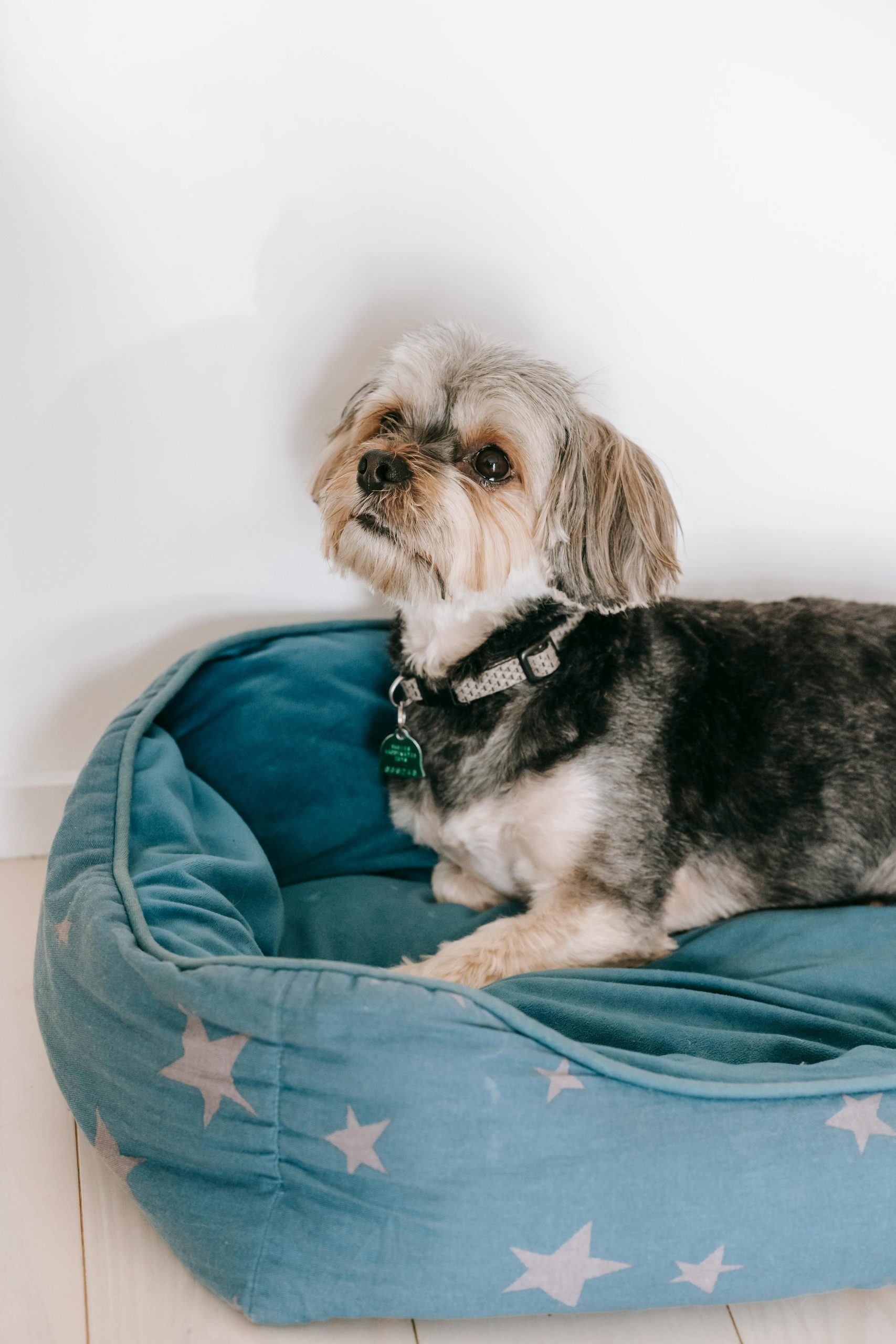
Nest and donut beds have raised bolsters all around, often filled with polyester batting to create a soft rim. These beds appeal to pets that like to curl up and feel enclosed, giving them a secure, sheltered spot.
Bolster and Pillow Beds
Bolster beds have partial or full raised sides with a central cushion, offering support for head and neck. If your pet likes to rest their chin on an edge or stretch out against a supportive side, a bolster-style polyester bed works well.
Flat Cushions and Mats
Flat cushions provide a simple supportive surface without raised edges, and they often use dense polyester fill or a memory foam core with a polyester cover. They’re useful for crates, carriers, or pets that like to sprawl.
Orthopedic Polyester Beds
Some beds pair polyester covers with orthopedic materials like high-density foam or memory foam to support joints and growing bones. The polyester exterior keeps these beds soft, washable, and lightweight for small pets.


Fillings and Construction
How a polyester bed is filled and built determines support, longevity, and maintenance. You’ll want to look for combinations that offer both cushion and resilience.
Polyester Fiberfill
Fiberfill is a common, lightweight stuffing made of polyester fibers. It’s fluffy and comfortable, but cheap fiberfill can flatten over time. Choose beds with high-loft, resilient fiberfill or layered construction to maintain long-term cushioning.
Memory Foam with Polyester Cover
Memory foam cores provide contouring support while a polyester cover adds a soft, washable outer layer. This combination can be excellent for small pets with joint concerns, but make sure the foam is high quality and covered by a removable, machine-washable polyester shell.
Recycled Polyester Fillers
Recycled polyester (rPET) is made from post-consumer plastics and can be used as both cover fabric and fill. It offers comparable durability to virgin polyester and is a more eco-conscious choice if you’re concerned about sustainability.
Waterproof Liners and Zippers
Durable polyester beds often include a waterproof inner liner to protect the fill from accidents or moisture and heavy-duty zippers to make cover removal easy. Look for well-hidden, robust zippers and sealed seams to keep liquid from reaching the filling.
Choosing the Right Size and Shape
Selecting the correct size keeps your pet comfortable and prevents wasted space. Measure your pet while sleeping and consider how they like to position themselves.
How to Measure Your Pet
Measure from nose to tail for a full length, then add 6–8 inches for a small dog or cat to have room to stretch. For curled sleepers, measure them in their typical curled position and add 4–6 inches. This ensures the bed is neither too cramped nor too large for warmth.
Size Guide for Small Pets
Below is a quick reference to help match pet size to common bed sizes. Use it as a starting point and adjust based on your pet’s sleeping habits.
| Pet Weight / Type | Bed Size Recommendation | Typical Dimensions (approx.) |
|---|---|---|
| Toy breeds, small kittens (up to 10 lb) | X-Small / Small | 18–22 in (45–55 cm) |
| Small breeds, larger kittens (10–20 lb) | Small / Medium | 22–28 in (55–70 cm) |
| Small-medium breeds (20–30 lb) | Medium | 28–32 in (70–80 cm) |
Make sure to measure your pet’s preferred sleeping posture — sprawled, curled, or tucked — to refine the size choice.
Durability Features to Look For
Not all polyester beds are created equal, so pay attention to construction details that make beds last. These features protect against chewing, tearing, and rapid wear.
Strong Stitching and Reinforced Seams
Double-stitched seams and reinforced stress points resist tearing and separation, especially in beds that hold bolsters or sewn-on elements. Those reinforcements make a big difference when your pet climbs in and out repeatedly.
Heavy-Duty Zippers and Concealed Openings
High-quality metal or reinforced plastic zippers will survive frequent washing and handling. Concealed or covered zippers also prevent your pet from chewing on zipper teeth.
Tough Outer Denier or GSM
Fabric durability can be described with denier (fiber thickness) or GSM (grams per square meter). Higher denier or GSM typically means stronger fabric. For active small pets, look for outer covers with moderate to high denier and tight fabric weaves.
Chew-Resistant or Ripstop Layers
Beds with chew-resistant panels or ripstop weaves can withstand occasional gnawing better than standard fabric. While no bed is fully chew-proof, these features can extend useful life.

Washability and Care Instructions
Frequent washing is normal for small pet bedding. You’ll want designs that are easy to clean without falling apart.
Cover Removal and Machine Washing
Look for beds with fully removable covers and clear washing instructions. Most polyester covers can go in the washing machine on a gentle cycle with mild detergent; always zip the cover closed to protect the zipper and other laundry.
Washing Tips and Temperature
Wash polyester at warm or cool temperatures to remove oils and dander while preserving fabric integrity. Hot water can help sanitize but may affect certain fillings or cause shrinkage in some blends.
Drying and Reshaping
Tumble dry on low heat or air dry to preserve fill loft and avoid damage. For fiberfill beds, tossing a couple of clean tennis balls in the dryer helps fluff the fill evenly.
Spot Cleaning and Odor Removal
For quick accidents, blot the area and use a pet-safe enzymatic cleaner to remove biological stains and odors. Avoid bleach unless the manufacturer specifies it’s safe for the fill and fabric.
Safety and Health Considerations
You prioritize your pet’s safety and health, so check for potential hazards and harmful substances in bedding materials.
Avoiding Small Parts and Loose Fill
Beds with buttons, decorative beads, or loose filling pockets can present choking hazards if your pet chews them out. Choose durable construction with sewn-in features and secure seams.
Chemical Treatments and Certifications
Some beds are treated with flame retardants, stain repellents, or antimicrobial chemicals. If you’re concerned about chemical exposure, look for certifications like OEKO-TEX or GOTS (for blended items) that indicate lower levels of harmful substances. Seek products labeled as free from added PFAS or harmful flame retardants.
Hypoallergenic and Dust-Mite Considerations
If you or your pet have allergies, polyester with washable covers and a tightly woven fabric can help reduce dust-mite accumulation. Regular washing and a removable cover will keep allergens under control.
Polyester vs Other Bedding Materials
You may be weighing polyester against cotton, wool, or memory foam. Each material has trade-offs in comfort, maintenance, and durability.
Quick Comparison Table
Below is a table that compares common bedding materials to help you decide.
| Material | Comfort | Durability | Washability | Best for |
|---|---|---|---|---|
| Polyester (plush/fiberfill) | Soft, warm | High | Very good (machine washable) | Small pets, active homes |
| Memory foam core with polyester cover | Contouring support | Moderate to High (foam lifespan varies) | Good for covers; foam spot clean | Joint support, older pets |
| Cotton | Breathable, natural feel | Moderate (can wear) | Good (absorbent) | Hot climates, casual use |
| Wool | Natural insulation, temperature-regulating | High (if maintained) | Professional cleaning sometimes required | Cold climates, premium bedding |
| Faux fur | Very soft, cozy | Moderate | Good if machine-washable | Pets that love deep nesting |
| Hemp/linen blends | Breathable, eco-friendly | High | Good | Sustainable choices, odor-resistant |
Material Trade-Offs
Polyester generally offers the best combination of durability, low maintenance, and cost for small pets. If you need specialized joint support, memory foam in a polyester shell can be better. For sustainability, recycled polyester performs well while natural fibers have pros and cons in maintenance.
Tips for Training Pets to Use Their Bed
Getting your pet to accept a new bed can be straightforward with positive reinforcement and consistent placement. Use familiar scents and rewarding experiences to encourage bed use.
Introduce the Bed Gradually
Place the bed in a quiet area and let your pet sniff and explore it before expecting them to lie down. Encourage gentle interaction with treats and praise when they approach or sit on the bed.
Use Familiar Scents and Objects
Placing a worn t-shirt or blanket with your scent on the bed helps the pet feel secure and more likely to accept it. You can also position the bed near their favorite resting spots temporarily and then move it to a permanent location.
Reinforce Good Behavior
When your pet uses the bed, reward them immediately with treats, affection, or a favorite toy. Consistent positive reinforcement helps them associate the bed with comfort and safety.
Manage Fear of New Textures
If your pet is hesitant about plush polyester textures, offer short sessions and pair them with playtime nearby so they form good associations. You can also start with a thin mat before moving to a thicker nest-style bed.
Placement and Environmental Considerations
Where you put the bed affects how much your pet will use it and how comfortable they’ll be. Temperature, drafts, sunlight, and household traffic are all factors.
Avoid Drafts and Cold Floors
Place the bed in a spot that stays warm and draft-free, especially for small pets and puppies that can’t regulate body temperature well. Elevating the bed slightly off a cold surface or adding a thin insulating pad beneath can help.
Low-Traffic Areas for Sleep, High-Traffic for Supervision
If your pet enjoys quiet naps, choose a peaceful corner. If they prefer being near family activity, place the bed where you spend time so they won’t feel isolated.
Sunlight and Temperature Regulation
Some pets love a sunny patch and will gravitate there, while others prefer darker, cooler areas. Polyester beds hold warmth well; if your pet overheats, select a breathable weave or place a cooling mat inside the bed during warmer months.
Travel and Portability
If you plan to move the bed frequently or take it on trips, choose a lightweight polyester cushion or a bed with a removable cover that compresses easily. Crate-friendly versions with flat cushions work well for carriers.
Budget and Longevity
You don’t have to spend a fortune to get a durable bed, but investing a bit more in quality often extends useful life. Consider expected lifespan relative to price.
Typical Cost Ranges
- Budget polyester beds: low-to-mid price — comfortable but may flatten faster.
- Mid-range beds with better fill and sturdier covers: moderate price — good balance of durability and comfort.
- Premium polyester beds with memory foam or recycled materials: higher price — long-lasting, supportive, and often better warranty.
Extending Bed Life
Rotate and air out bedding periodically, wash covers according to guidelines, and replace or freshen fills when they begin to flatten. Using a washable, waterproof liner protects filling and prevents premature breakdown.
When to Replace the Bed
Replace a bed when the filling no longer supports your pet, if odors persist after washing, or if seams and zippers fail. For small pets, a well-maintained polyester bed can last one to several years depending on use and quality.
Eco-Friendly Polyester Options
If sustainability matters to you, there are increasingly good eco-conscious choices in polyester pet beds. These options reduce waste and lower the environmental impact of production.
Recycled Polyester (rPET)
Recycled polyester uses post-consumer plastic bottles and other plastics reprocessed into fibers. rPET can offer excellent durability and washability while diverting plastic from landfills.
Low-Impact Dyes and Certifications
Look for brands that use low-impact dyes and transparent sourcing, and check for certifications such as OEKO-TEX Standard 100 to confirm lower chemical content. These measures reduce environmental and health risks.
Programmes for Recycling or Take-Back
Some pet product companies offer take-back or recycling programs for old beds. Participating manufacturers help you dispose of the product responsibly or upcycle materials.
DIY and Repairing Polyester Beds
You don’t always need to replace a bed if it gets minor damage or flattening. A few DIY fixes can restore comfort and extend useful life.
Patching Tears and Reinforcing Seams
Use a polyester or nylon repair patch and fabric glue for small tears, or sew a reinforced patch over areas of wear. Double-stitching edges and stress points can prevent further damage.
Refreshing Flattened Fill
Open the cover (if possible) and add fresh fiberfill or replace worn batting with new polyester fill. Redistribute fill evenly and fluff in a dryer on low with tennis balls to restore loft.
Replacing Covers
If the shell is worn but the inner liner is intact, consider sewing a new cover from durable polyester fabric or buying a replacement cover if available. This can be more cost-effective than replacing the entire bed.
Buying Checklist
Use this quick checklist to compare beds and make a confident choice for your small pet.
- Is the cover removable and machine-washable?
- Is the fabric denier or GSM suitable for your pet’s activity level?
- Are seams double-stitched and zippers sturdy and concealed?
- Does the bed include a waterproof inner liner?
- Is the fill resilient or does it have supportive foam where needed?
- Are there any chemical or treatment disclosures? Look for OEKO-TEX or similar certifications.
- Does the size match your pet’s sleeping posture (curl vs. sprawl)?
- Is recycled polyester an option if sustainability matters to you?
- What is the warranty or return policy?
Frequently Asked Questions
You may have specific concerns while choosing or caring for a polyester pet bed. Below are common questions with practical answers.
Will polyester beds make my pet too warm?
Polyester tends to retain warmth, which is ideal in cooler environments or for pets that like to nest. If you live in a hot climate or your pet overheats, choose a breathable weave, a flat cushion, or pair the bed with a cooling mat.
How often should I wash my pet’s polyester bed?
Wash the removable cover every 1–2 weeks for active pets or pets in training, and spot clean accidents immediately. The inner fill can be cleaned less frequently; follow manufacturer instructions for how often to launder the whole bed.
Can I machine-wash foam-filled beds?
Most foam cores should not be fully submerged in a washing machine. Instead, remove the foam if possible and wash the cover separately, spot-clean the foam, and air dry thoroughly. Some foam pads are washable — check the product label.
Is recycled polyester as durable as new polyester?
Yes, recycled polyester often matches virgin polyester in durability and washability when processed properly. It can be a good sustainable alternative without sacrificing performance.
How do I know if a bed is safe for a puppy who chews?
No bed is completely chew-proof, but choose beds with reinforced seams, chew-resistant panels, and minimal loose parts. Supervise your puppy and offer chew-appropriate toys to reduce destructive behavior.
Final Thoughts
Choosing a durable polyester pet bed for your small pet gives you a reliable, comfortable, and easy-to-care-for option that fits many lifestyles. With attention to construction details, fill quality, and correct sizing, you can find a bed that supports good sleep, hygiene, and a sense of security for your pet — while making your life easier with simpler maintenance.