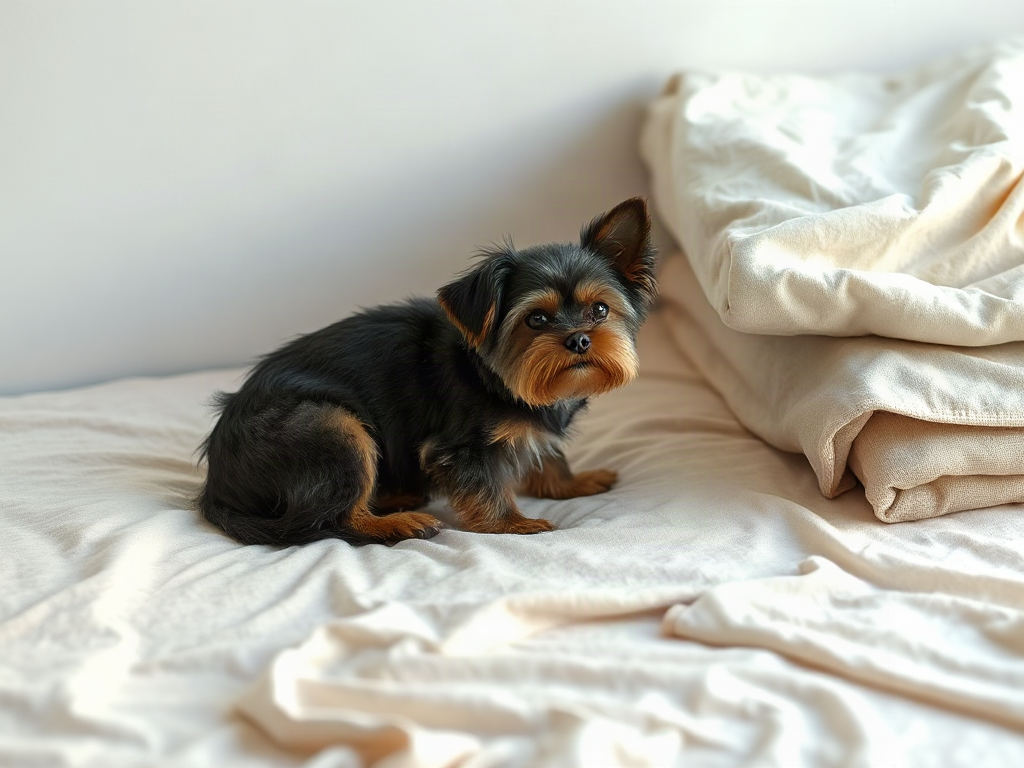
Pet bed fabric for sensitive skin should minimize friction, trapped moisture, loose fibers, and residues from dyes or scented laundry products. Smooth, tightly woven cotton or a durable cotton-rich cover is often a practical first choice because it is breathable, washable, and easy to inspect for damage. Removable covers, concealed seams, and fragrance-free washing matter as much as the fiber name, especially when saliva, urine, dander, or detergent can remain against the skin. Avoid assuming that “hypoallergenic” guarantees compatibility.
What you’ll learn
This guide covers the following practical points:
- How Fabric Affects Sensitive Skin — Skin contact is shaped by more than the fiber printed on a product label.
- Fabric Options Compared — Tightly woven, washable cotton is a useful baseline for many sensitive animals.
- Construction and Safety Details — Bed construction can override an otherwise sensible fabric choice.
- Washing and Testing a New Cover — A careful wash routine helps separate fabric problems from residue problems.
How Fabric Affects Sensitive Skin
Skin contact is shaped by more than the fiber printed on a product label. Surface texture, weave, moisture retention, laundering residue, seam placement, and the condition of the cover all influence what touches an animal during hours of resting. A soft fabric can still become irritating when it holds dampness, collects saliva, or develops a rough patch after repeated washing.
Friction is especially relevant over sparsely furred areas, pressure points, or skin already irritated by scratching. Long pile and fuzzy surfaces may trap shed hair, hay fragments, dust, and dried secretions close to the body. A flatter weave is easier to vacuum, inspect, and wash completely. Breathability also matters: a cover that stays warm and damp creates a less comfortable resting surface, even if the fabric initially feels plush.
The common mistake is treating every reaction near a bed as a textile allergy. Redness or hair loss may instead be associated with fleas or mites, excessive grooming, urine exposure, infection, or another health problem. Check whether the change matches the exact contact area, whether it improves away from the bed, and whether the cover has new detergent, damage, or contamination. Broken skin, swelling, discharge, persistent itching, or worsening hair loss should be assessed by a veterinarian rather than managed only by changing bedding.
Fabric Options Compared
Tightly woven, washable cotton is a useful baseline for many sensitive animals. Its relatively flat surface makes debris visible, while its breathability and broad washability simplify routine care. Cotton can absorb spills, however, so it works best as a removable outer cover over a protected insert rather than as the only moisture barrier.
Cotton-rich blends may dry faster and resist wrinkling better than pure cotton, but their performance varies with the synthetic fiber and finish. Smooth microfiber can feel gentle and resist snagging, yet some versions retain heat or become difficult to rinse free of oily residue. Lyocell-based textiles are often smooth and moisture-managing, although the finished weave, dye, seams, and care requirements remain more informative than the fiber name alone.
| Fabric or Surface | Potential Advantage | Tradeoff to Check |
|---|---|---|
| Tightly woven cotton | Breathable, washable, easy to inspect | Absorbs moisture and may shrink |
| Cotton-rich blend | Often durable and quicker drying | Finish and synthetic content vary |
| Smooth microfiber | Low-friction surface with limited lint | May retain heat or laundering residue |
| Fleece or sherpa | Warm and cushioning | Can trap hair, debris, and moisture |
| Wool | Warm and naturally resilient | May feel coarse and can be difficult to wash |
Plush fleece, sherpa, and shag fabrics are not automatically unsuitable, but they demand closer inspection and more thorough cleaning. For a pet with active irritation, a plain, light-colored cover can be more useful than a deep-pile surface because staining, discharge, chewing damage, and damp spots are easier to detect. “Natural,” “organic,” and “hypoallergenic” labels do not reveal weave roughness, colorfastness, detergent residue, or how the textile performs after washing.
Construction and Safety Details
Bed construction can override an otherwise sensible fabric choice. Raised piping, exposed zipper teeth, coarse labels, and bulky seams may rub the same body area each time the animal lies down. Run your palm across the sleeping surface and edges, then check underneath for stiff folds or hardware that can be felt through the padding.
For rabbits, guinea pigs, rats, and other animals inclined to chew or dig, loose threads and accessible foam deserve particular attention. Torn cloth can expose filling, and looped textiles can catch nails. Choose concealed closures, short surface fibers, secure stitching, and a cover that can be replaced before damage reaches the inner cushion. A waterproof liner may protect the insert from urine, but a stiff or non-breathable layer directly under the cover can trap warmth and make noise. A washable absorbent layer above the barrier can improve comfort if it remains flat and dry.
Use a compact inspection checklist before buying or returning a bed:
- Surface: smooth, intact, and free of scratchy decoration.
- Seams: positioned away from the main resting area.
- Closure: concealed and inaccessible to chewing.
- Cover: removable without dismantling the entire bed.
- Care label: compatible with frequent washing and complete drying.
Extra softness is not always the right priority. Stable support and a flat, clean contact layer are usually more manageable than thick pile that hides contamination. Replace the cover if pilling, hardened stains, stretched seams, or exposed fibers remain after cleaning.
Washing and Testing a New Cover
A careful wash routine helps separate fabric problems from residue problems. Wash a new cover before use according to its care label, using an unscented detergent without added fabric softener when possible. Use an extra rinse if the machine or textile tends to retain suds. Dry the cover fully before returning it; persistent dampness can create odor and prolong contact with urine or saliva.
Introduce only one bedding change at a time. Place the clean new cover on the familiar bed, note the date, and inspect the pet’s usual contact areas daily in good light. Also watch whether the animal avoids the bed, shifts position repeatedly, scratches after resting, or develops new staining on the coat. Improvement is more convincing when comfort and skin appearance remain better through several normal sleep and wash cycles, not just for a few hours.
If symptoms appear after laundering, rewash the existing cover without fragrance or softener before buying another material. If irritation continues with multiple clean, smooth covers, the bed may not be the cause. Keep brief notes about detergent, fabric, washing date, chewing damage, and affected body areas to give a veterinarian a clearer timeline. Do not apply human skin creams or essential oils to the bed unless a veterinarian has confirmed that the product and dose are suitable for that species.
Frequently Asked Questions
Is cotton always the best fabric for sensitive skin?
No fabric works for every pet, but tightly woven, washable cotton is a practical starting point. Check for shrinkage, dampness, rough seams, dyes, and chewing damage rather than relying on fiber content alone.
Should I avoid fleece pet beds?
Not necessarily. Fleece provides warmth, but its fuzzy surface may hold hair, hay, saliva, and moisture. A smooth cover is easier to inspect when a pet already has irritated skin.
Does a hypoallergenic label guarantee the bed will not irritate skin?
No. The label does not identify every dye, finish, seam, or laundering residue, and it cannot account for individual sensitivities. Evaluate the complete cover and its care requirements.
How often should a sensitive pet’s bed cover be washed?
Wash it whenever it is damp, soiled, or noticeably odorous, and establish a regular schedule based on shedding and use. Frequent washing may be needed for urine leakage or heavy saliva.
When should skin irritation be checked by a veterinarian?
Seek veterinary advice for broken skin, sores, swelling, discharge, persistent scratching, spreading redness, hair loss, or symptoms that continue after the bedding has been cleaned or changed.
Conclusion
Prioritize a smooth, washable cover, simple construction, complete drying, and easy inspection over plushness or marketing labels. Begin with a tightly woven fabric, remove fragrance and softener from the wash routine, and change only one variable at a time. Inspect seams and chewing damage regularly. If a clean replacement does not improve the problem—or the skin is broken or worsening—treat the bed as only one possible cause and arrange veterinary assessment.
Additional Resources
Authoritative Sources
- AVMA Pet Owner Resources
avma.orgVeterinary-backed pet health, safety, and care guidance.