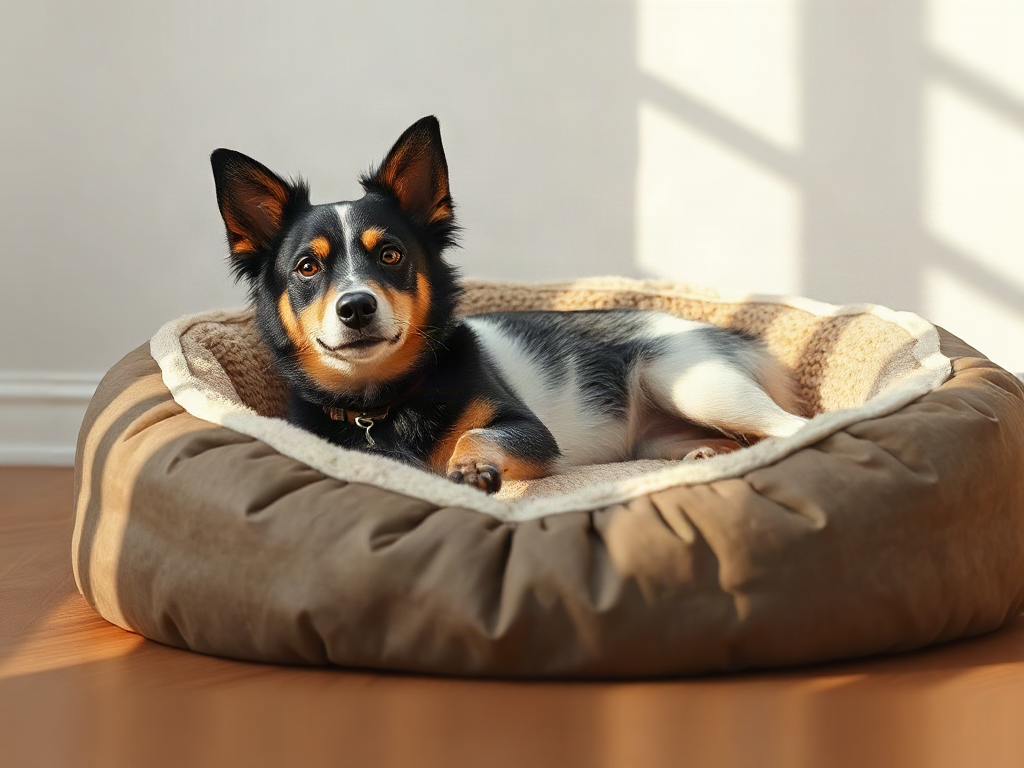
Pet bed covers that resist shedding fur and wash clean are usually made from tightly woven, smooth fabrics that release loose hair instead of trapping it between raised fibers. Look for microfiber, canvas, tightly woven polyester, or similar low-pile material, paired with a removable design, durable zipper, and machine-washable care label. Avoid fleece, sherpa, velvet, and loosely woven upholstery when easy fur removal is the priority, because hair can lodge within their textured surfaces. A good cover should let fur lift with a damp glove or vacuum attachment, survive repeated washing, and fit snugly enough to avoid folds where hair collects.
Which Fabrics Release Pet Hair Most Easily?
Smooth, tightly woven material releases shedding fur more readily than plush or open-textured fabric. Individual hairs have fewer loops, ridges, and deep spaces to catch on, so routine cleaning can often be handled with a vacuum, lint brush, or slightly damp rubber glove. Fabric construction matters more than a product description that merely says a cover is “pet friendly.”
Tightly woven polyester and microfiber are common practical choices. Both can provide a relatively smooth face, resist wrinkling, and tolerate frequent cleaning when the care label allows machine washing. Microfiber varies considerably, however. A short, dense microfiber may release fur well, while a suede-like finish with a pronounced nap can hold fine undercoat. Running a hand in opposite directions across a sample reveals whether the surface changes noticeably; a dramatic change usually indicates more texture for hair to enter.
Canvas and dense cotton duck offer a firmer alternative. They can be useful for small pets that scratch, circle, or rearrange bedding before resting. Their flatter surface is easier to sweep than fleece, but natural fibers may hold oily marks and can shrink if washed or dried too hot. A cotton-rich cover should have enough extra room around the insert to remain usable after laundering, without becoming so loose that it bunches.
Some coated or water-resistant polyester covers release hair particularly well because the face is slick. That advantage comes with tradeoffs. Stiff coatings may rustle when the animal moves, feel less comfortable against bare skin, or trap warmth. A practical compromise is a smooth outer cover over a washable absorbent layer, provided the animal does not chew or dig through the outer shell.
Fleece, sherpa, faux fur, velvet, chenille, and loosely woven upholstery are poor matches when fur release is the main objective. Their pile can conceal hair rather than repel it, and washing may compact embedded strands. These materials may still suit an animal that strongly prefers warmth or cushioning, but using them as a removable top blanket is usually easier than making them the permanent cover.
How Do Weave and Texture Affect Fur Buildup?
Pet hair clings through friction, static charge, and mechanical entanglement. A strand that lands on a flat, dense surface remains accessible. The same strand pressed into loops or fuzzy pile can bend around fibers and resist suction. Fine undercoat is especially difficult because its light, crimped strands settle into fabric more deeply than straight guard hairs.
Weave density can be assessed without knowing a technical thread count. Hold a removable cover up to a bright light: numerous visible gaps suggest that fine hair, dust, and small bedding particles can migrate into the cloth or reach the insert below. Then rub the surface in a circle. If the fabric forms fuzzy pills or lifts into a nap, repeated pet movement is likely to create more places for fur to lodge.
Color and pattern affect visibility rather than actual resistance. A charcoal cover may disguise dark hair but make pale fur obvious; a mottled pattern can hide several shades between cleanings. Concealment is useful in a shared room, yet it should not replace physical removal. Hidden buildup still transfers to clothing and may work into seams. Choose color for appearance only after confirming that the surface can be cleaned easily.
Static is another practical constraint, especially with synthetic fabric in dry indoor air. Hair that initially brushes away may cling after the pet has moved across the cover. A slightly damp cloth or rubber grooming glove can reduce the static effect during cleaning. Saturating the fabric is unnecessary, and applying unapproved sprays may leave fragrance or residue where the animal sleeps.
A common mistake is assuming “hair resistant” means no hair will remain. Fabric cannot stop loose fur from landing on a bed. The realistic goal is low retention: hair stays near the surface, comes off with limited effort, and does not permanently mat into the textile. Check the seams after several days of use. If the broad panels clean easily but dense ropes of hair remain around piping and tufting, the design rather than the main fabric is causing the problem.
What Cover Features Make Cleaning Easier?
A washable textile is only convenient when the entire cover can be removed without wrestling with the insert. A wide zipper opening—ideally extending around more than one side—allows foam, fill, or a cushion pad to slide out without excessive bending. A short opening may look tidy but becomes frustrating when the insert is thick or flexible.
The zipper should be recessed or protected by a fabric flap. This limits direct contact with skin and reduces access for an animal inclined to mouth zipper pulls. Inspect product photographs for the full opening rather than relying on the phrase “removable cover.” Some products have a washable top panel while the bolster or base remains attached, leaving fur trapped in the hardest areas to clean.
Simple construction generally beats decorative detail for shedding animals. Smooth panels, flat seams, and minimal tufting provide fewer collection points. Deep channels, button-style depressions, contrast piping, and quilted creases can all hold hair even if the face fabric releases it. Bolstered beds present an additional challenge because fur settles between the sleeping surface and raised rim. A fully removable cover is particularly valuable on that shape.
Fit also affects maintenance. An overly loose cover wrinkles beneath a turning pet, creating fur-filled folds. An extremely tight one strains seams and zippers during removal and may no longer fit after minor shrinkage. Confirm the insert dimensions against the cover measurements, including thickness rather than only length and width. For a homemade replacement, measure the insert when it is fully expanded and add only the seam and closure allowance required by the pattern.
Prioritize the following details when comparing otherwise similar covers:
- Complete removal: every fur-catching sleep surface separates from the insert.
- Accessible closure: the opening is broad enough for easy removal but shielded from the pet.
- Flat construction: limited piping, tufting, and deep decorative seams.
- Clear care instructions: washing and drying directions are stated for the whole cover.
- Replacement availability: a spare can be purchased if the original wears out.
A waterproof inner liner can protect foam from dampness and debris, but it does not replace an easy-clean outer cover. Liners may create noise or retain heat, and poor fit can cause them to wrinkle. Treat the liner as insert protection and the outer textile as the surface responsible for fur release and comfort.
How to Test a Cover Before Buying
A hands-on surface test provides more useful information than broad claims such as anti-shed or fur resistant. If a fabric swatch or uncovered display model is available, press several strands of collected pet hair onto the material with the palm of your hand. Brush once with dry fingers, once with a damp rubber glove, and once with a lint roller. A suitable cover should release most visible strands without repeated scraping.
When shopping online, magnified product images can reveal pile, quilting, and weave. Look closely at seam junctions and bolster channels rather than only the center panel. Read the material composition and care instructions together. “Machine washable” has limited value if air drying takes a long time or if the cover cannot tolerate the cycle routinely used in the household.
Pet behavior should shape the final choice. A smooth, thin polyester shell may be easy to clean but unsuitable for an animal that persistently scratches before lying down. Dense canvas may handle that behavior better, though it can feel firmer and take longer to dry. For a pet that seeks soft warmth, place a small washable blanket over a smooth cover. The blanket concentrates most hair on an item that is easier and cheaper to launder than the fitted shell.
Household constraints matter as well. A cover that technically washes clean but must be line dried may be inconvenient in a small apartment. Families without a dryer may prefer a light synthetic fabric that releases water quickly. Homes with multiple shedding animals benefit from owning two covers: one remains on the bed while the other is being washed and fully dried.
Be cautious with reviews that focus only on appearance immediately after unpacking. More useful feedback mentions fur removal, seam durability, zipper access, shrinkage, and changes after repeated washing. A report that hair vacuums off easily is relevant; a claim that the color “doesn’t show hair” addresses camouflage, not retention. The best sign is consistent performance across the surface, seams, and closure after ordinary use.
Washing Without Setting Fur Into the Fabric
Removing loose hair before laundering keeps it from redistributing across the cover and washing machine. Take the cover outdoors or to an easy-clean floor, shake it thoroughly, and vacuum the surface and seams. A rubber glove or squeegee-style tool can gather fine hair into removable rolls. Check the zipper track and piping separately because suction over the center panel will not clear those narrow areas.
Close zippers before washing unless the manufacturer directs otherwise. An open pull can catch on fabric, while an exposed hook-and-loop closure may abrade the cover. Wash according to the care label rather than defaulting to the hottest cycle. Excessive heat can shrink cotton, degrade some coatings, or distort backing material. Strong fragrance is unnecessary on a sleeping surface and may be objectionable to a scent-sensitive animal.
Do not overload the washer with blankets and clothing. The cover needs room to move so released fur and soil can rinse away. Washing it separately also limits transfer to household textiles. After the cycle, inspect seams before drying. If clumps remain, remove them while the fabric is damp instead of using heat on the buildup.
Drying must match the label. High heat may accelerate wear on elastic, waterproof layers, printed finishes, or synthetic backing. Air drying reduces heat exposure but the cover should be completely dry before it goes back on the insert; moisture trapped against foam can produce odor and is difficult to correct without removing everything again. A second cover makes this waiting period manageable.
A working routine has visible signs: hair lifts before washing, the machine is not left coated with fur, the cover retains its shape, and the zipper closes without strain afterward. Persistent embedded strands, pilling, stretched seams, or increasing removal time indicate that the material or construction is failing the household’s needs. At that point, replacing only the cover with a denser, flatter option is often more practical than replacing a sound bed insert.
Frequently Asked Questions
What fabric is least likely to hold pet hair?
Smooth, tightly woven polyester, short dense microfiber, and firm canvas usually hold less hair than fleece, sherpa, velvet, or chenille. Construction still varies, so inspect the surface and seams rather than choosing by fiber name alone.
Does a waterproof cover resist shedding fur?
A smooth waterproof outer surface may release hair easily, but waterproofing alone does not guarantee low retention. Textured coatings, quilted seams, and wrinkles can still trap fur, while stiff liners may add noise or warmth.
Should pet hair be removed before washing the cover?
Yes. Shake, vacuum, or wipe away loose hair first so it does not spread through the washer, cling to other textiles, or settle back into seams during the cycle.
Are dark pet bed covers better for shedding pets?
Dark colors only disguise similarly colored hair; they do not release it more effectively. Choose fabric texture and weave first, then select a mottled or compatible color if less visible buildup is desirable.
How can a soft bed stay easy to clean?
Use a smooth removable cover over the cushioned insert, then add a small washable blanket if the pet prefers a plush surface. Most fur collects on the blanket, which is easier to shake out and launder.
Conclusion
Choose a cover by examining its surface, construction, fit, and care requirements as one system. Dense, low-pile fabric makes fur easier to lift, but deep tufting, narrow zipper access, or a loose fit can cancel that advantage. Match durability to the animal’s habits: a gentle sleeper may do well on smooth microfiber, while a persistent scratcher may require firmer canvas.
Before buying, inspect close-up images or test a sample with actual hair. Confirm that the entire outer shell is removable and that its drying instructions fit the household’s laundry routine. Once in use, remove hair before washing and watch for pilling, seam buildup, shrinkage, and zipper strain. Those signs provide a better measure of performance than whether the cover merely hides fur between cleanings.