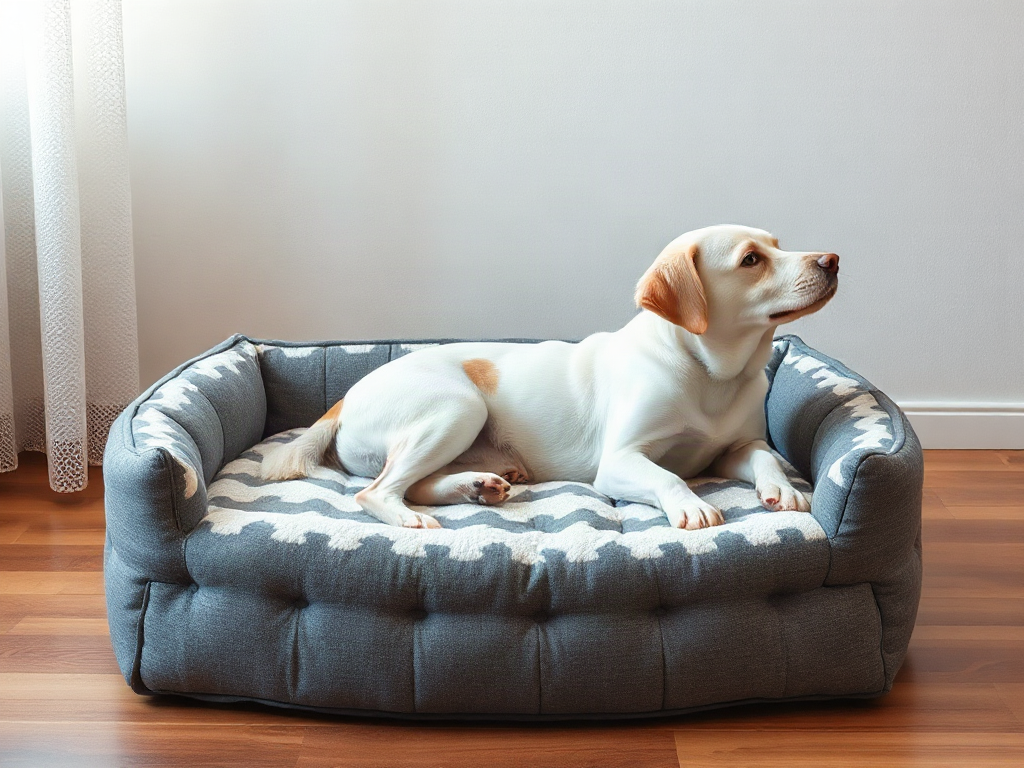
Pet bed height for senior animals should allow level or nearly level entry, with the sleeping surface close enough to the floor that stiff joints do not require…

Pet Bed Buying Guide
Posted on:
Outdoor Pet Bed Materials for Changing Weather: What Works
Outdoor pet bed materials for changing weather work best when they combine a solution-dyed synthetic cover, quick-draining support, raised airflow, and corrosion-resistant hardware. Polyester or acrylic fabric handles…
Pet Bed Buying Guide
Posted on:
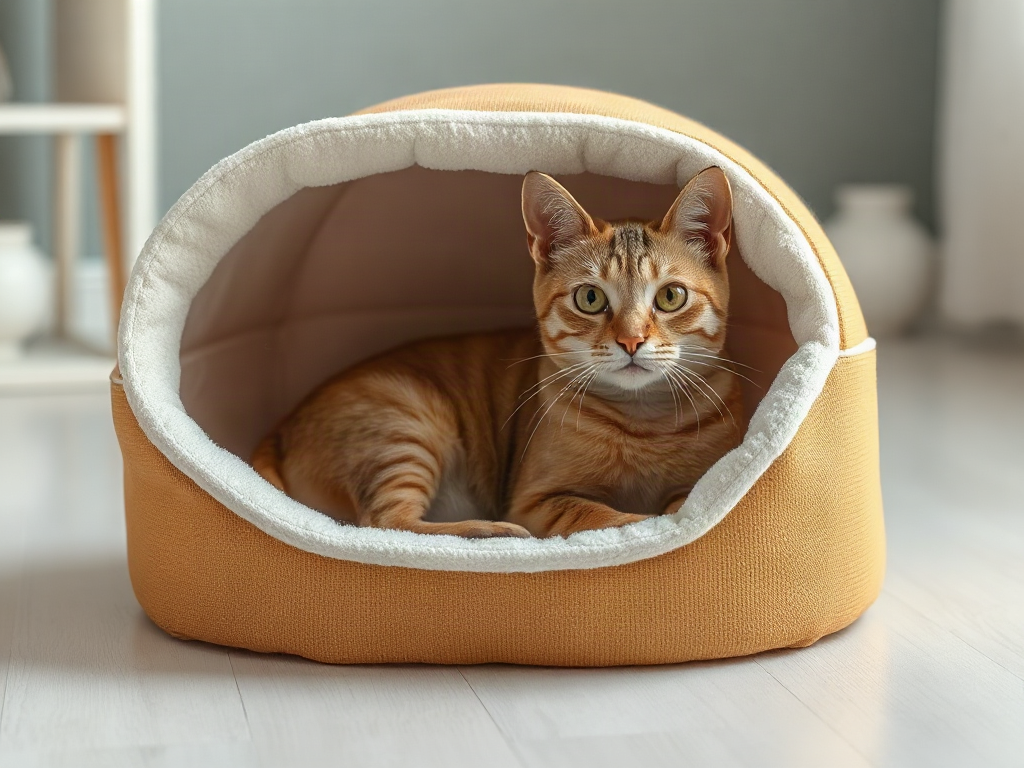
Cat Pet Beds for Enclosed Sleeping: Fit Checklist
Cat pet beds for enclosed sleeping work best when the interior fits a curled body without crowding, the entrance allows easy movement, and the structure remains stable during…
Pet Bed Buying Guide
Posted on:
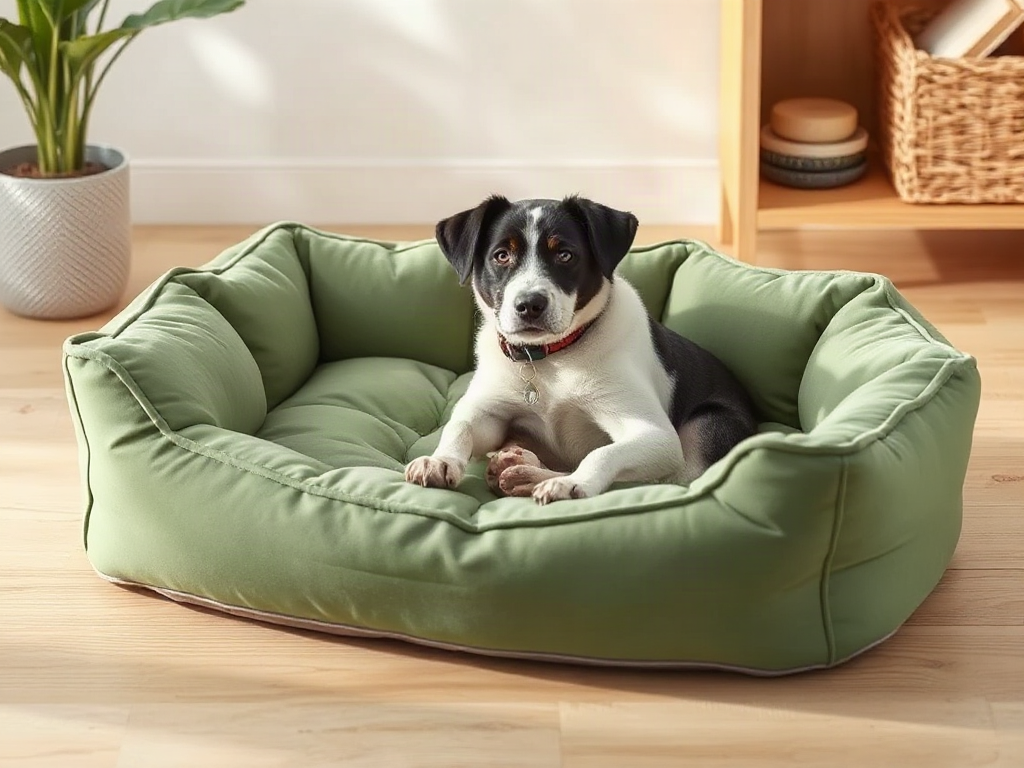
Calming Pet Bed Shapes for Anxious Sleepers: Shape Checklist
Calming pet bed shapes for anxious sleepers work best when they provide gentle body contact, a protected resting edge, and enough interior room to change position without feeling…
Pet Bed Buying Guide
Posted on:
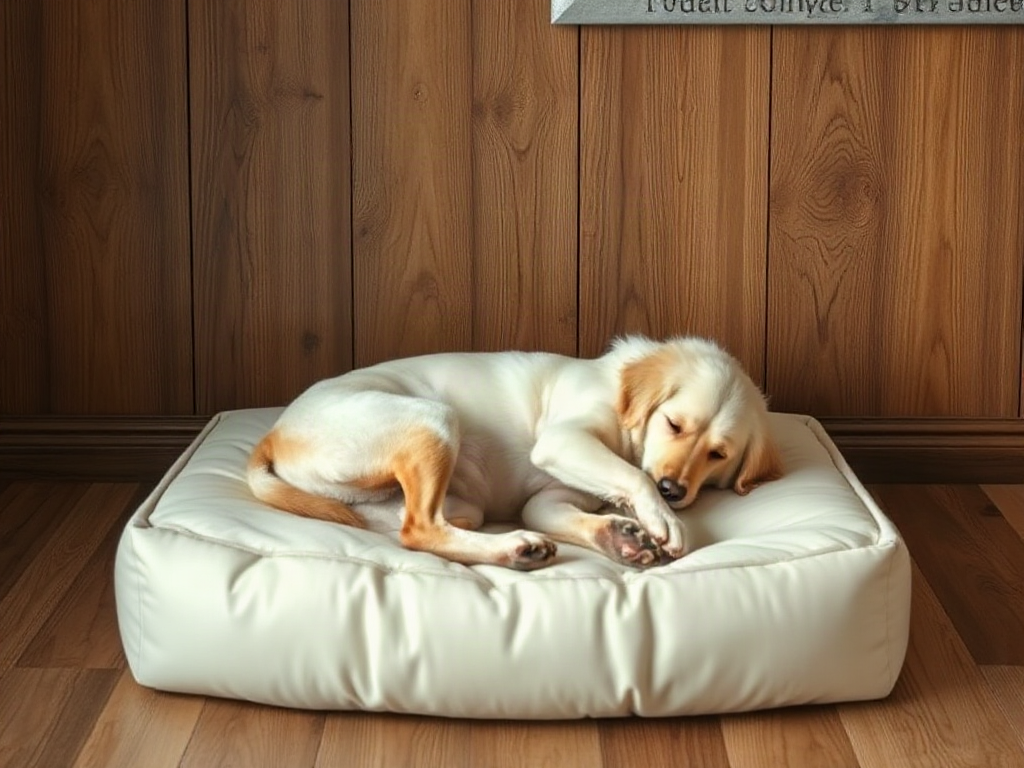
Pet Bed Sizing Based on Sleeping Position: Measurements
Choose pet bed dimensions from the space your pet occupies in its usual sleeping position, not from body weight or breed alone. Measure a stretched sleeper from nose…

Pet Bed Buying Guide
Posted on:
Orthopedic Pet Bed Firmness for Joint Support: What Works
Orthopedic pet bed firmness for joint support should keep a resting animal’s spine level, cushion bony areas, and resist collapsing until the body contacts the floor. Medium-firm, resilient…