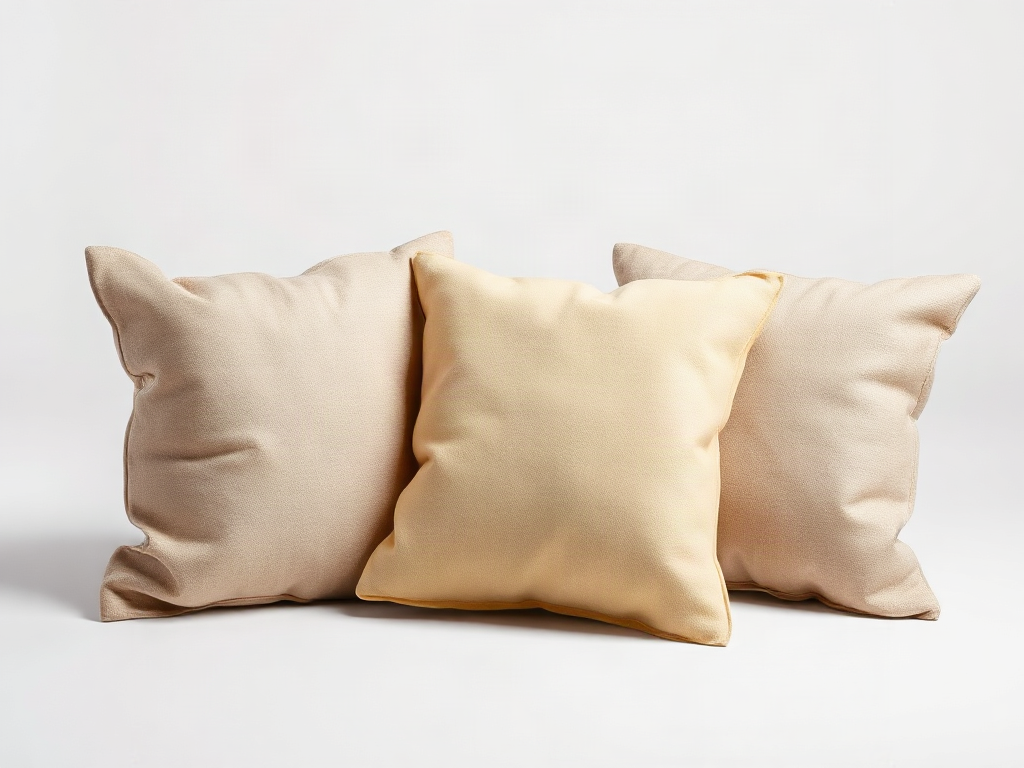
Closure durability for removable bed covers is strongest when the fastening method matches washing frequency, pet behavior, and cushion thickness. Coil zippers usually offer the best balance of secure retention, repeated use, and low bulk, while molded-tooth zippers tolerate rough handling but feel stiffer. Hook-and-loop tape is easy to operate yet collects fur and lint, and snaps concentrate stress at a few attachment points. Envelope closures avoid broken hardware but need generous fabric overlap to prevent the insert from working out.
What you’ll learn
This guide covers the following practical points:
- How the Main Closure Types Compare — A closure should be judged as a complete assembly rather than as a strip of hardware.
- Where Bed Cover Closures Usually Fail — Closure failure commonly begins beside the fastener rather than in the fastener itself.
- Choosing a Closure for the Pet and Laundry Routine — Frequent washing favors a closure that opens quickly, stays aligned, and does not depend on a debris-free gripping surface.
- Prepurchase Closure Inspection Checklist — A hands-on inspection can reveal weaknesses that product photos conceal.
How the Main Closure Types Compare
A closure should be judged as a complete assembly rather than as a strip of hardware. The fastener, surrounding fabric, seam allowance, stitching, and opening length all affect whether a removable cover survives repeated removal and laundering. A heavy zipper attached to thin fabric can fail sooner than a lighter zipper installed with reinforced tape and balanced stitching.
| Closure type | Durability strengths | Likely weakness | Best fit |
|---|---|---|---|
| Coil zipper | Flexible, low-profile, and tolerant of curved openings | Fine coils may jam with fur or trapped fabric | Frequently washed indoor covers |
| Molded-tooth zipper | Robust teeth and easy alignment | Stiffer and more noticeable beneath a small cushion | Thick inserts and heavier fabrics |
| Hook-and-loop tape | Simple operation and no slider to break | Hooks collect hair and lose grip when clogged | Light-duty covers opened occasionally |
| Snaps | Individual fasteners are compact and easy to inspect | Pulling force is concentrated around each snap | Structured flaps with reinforced fabric |
| Envelope overlap | No rigid parts or mechanical fasteners | A shallow overlap can gape or release the insert | Soft cushions with a generous rear overlap |
Coil zippers are often the most versatile choice for small pet bedding because they bend around compact shapes without creating a hard ridge. A molded-tooth zipper can be useful on a dense foam insert, but its extra stiffness may be undesirable on a thin sleeping pad. The common mistake is choosing the largest-looking zipper and assuming size alone predicts service life. Smooth movement, covered ends, and firm attachment to the cover are better indicators.
Hook-and-loop closures trade mechanical simplicity for maintenance. They can remain functional when kept clear, but loose fur, fleece fibers, and laundry lint interfere with contact between the two strips. Envelope designs remove that concern entirely, although durability depends on sufficient overlap and fabric that does not stretch out of shape.
Where Bed Cover Closures Usually Fail
Closure failure commonly begins beside the fastener rather than in the fastener itself. Repeated pulling loads the stitching at the opening ends, especially when an overfilled cushion must be compressed into the cover. Frayed zipper tape, widening needle holes, puckered seams, or a snap that tilts under light pressure indicate that the surrounding construction is losing strength.
Zipper sliders face a different pattern of wear. Fur can lodge between the coil and slider, while fabric caught in the path can distort the teeth or separate the stitching. Pulling harder rarely solves either problem; it increases stress on the slider and seam. Flatten the cover, remove visible fibers, and move the slider back slightly before trying again. A zipper that repeatedly separates behind the slider is already failing, even if it can still be closed.
Placement affects exposure. A recessed opening on the underside is less accessible to scratching, mouthing, and nesting behavior than exposed hardware along a top edge. The closure should still be reachable for washing without requiring the insert to be sharply folded. A concealed flap can reduce contact, but an excessively narrow flap may fold back and expose the slider.
Laundry habits add wear through heat, agitation, and impact with other hardware. Closing zippers before washing helps keep the teeth aligned, while fastening hook-and-loop strips limits lint accumulation and prevents the hooks from abrading nearby fabric. The weak assumption is that a washable textile makes every attached component equally tolerant of the same cycle. The care label must cover the whole product, including its closure.
Choosing a Closure for the Pet and Laundry Routine
Frequent washing favors a closure that opens quickly, stays aligned, and does not depend on a debris-free gripping surface. A protected coil zipper is a practical default for bedding exposed to regular shedding or minor spills. Check that the opening is long enough to remove the insert without force; a short opening turns every wash into a stress test for the seam ends.
For a pet that scratches or rearranges bedding, prioritize an underside opening, a fabric zipper garage at the slider, and no loose pull tab projecting from the cover. Hardware should not be treated as chew-resistant. If a pet persistently mouths the closure, discontinue access to the damaged cover and replace or professionally repair it rather than relying on a patch that can be pulled loose.
Hook-and-loop tape suits owners who need easy access and do not mind cleaning the strips. It is less convincing for long-haired pets or plush covers because fibers can continually contaminate the hooks. Snaps may work on a firm woven cover, but each snap needs reinforcement behind it. Pulling on the fabric instead of separating a snap at its edges can tear the mounting area.
An envelope closure is attractive when quiet, hardware-free construction matters. It works best on a cushion that does not strongly rebound against the opening. For a thick or springy insert, inadequate overlap may spread apart during use. Choosing a deeper overlap or adding an internal fabric tie can improve retention without placing rigid parts near the sleeping surface.
Prepurchase Closure Inspection Checklist
A hands-on inspection can reveal weaknesses that product photos conceal. Operate the closure through its full length while the cover is empty, then look at how the opening behaves when the insert is installed. The movement should remain smooth without needing the fabric to be stretched toward the fastener.
- Check the seam ends: Look for bar tacks, backstitching, or another visible reinforcement where opening forces concentrate.
- Inspect the backing: Zippers, snaps, and hook-and-loop tape should attach to stable fabric rather than a single thin layer that distorts.
- Test access: Confirm that the opening permits removal without sharply bending foam or pulling against the stitching.
- Find exposed edges: Slider pulls, rigid teeth, and snap backs should not project into the sleeping area.
- Consider repair: A conventionally stitched zipper may be replaceable; bonded or deeply enclosed hardware can make repair impractical.
Signs of a sound choice include flat seams after washing, a slider that travels without snagging, and an opening that stays closed while the pet circles or nests. Early warning signs include rippling around the fastener, loose threads at the stops, reduced hook-and-loop engagement, or fabric whitening around snaps. Addressing those signs before complete separation can preserve the cover and keep loose components away from the pet.
Frequently Asked Questions
Which closure generally lasts longest on a washable bed cover?
A well-installed coil zipper usually offers the strongest all-around combination of flexibility, secure closure, and repeated operation. Its lifespan still depends on reinforced stitching, suitable washing, and keeping fur out of the slider.
Is hook-and-loop tape durable enough for a removable cover?
It can suit light-duty use, but hair and lint gradually reduce its grip. Closing the strips before laundering and removing trapped fibers helps preserve engagement.
Are envelope closures safer than zippers?
Envelope closures contain no rigid fastener, but they are not automatically suitable for every bed. The overlap must remain deep enough to contain the insert during nesting and movement.
Can a damaged zipper on a bed cover be repaired?
A repair shop may be able to replace an accessible stitched zipper or slider. Torn surrounding fabric requires reinforcement, and extensive damage can make cover replacement more practical.
Should a zipper be open or closed during washing?
Closing it generally keeps the teeth aligned and reduces snagging. Follow the complete cover's care label, remove loose fur first, and avoid forcing a slider that already catches.
Conclusion
Choose the closure by examining the entire opening, not merely the visible fastener. A flexible zipper with reinforced ends is a strong default for frequent laundering, while envelope openings suit hardware-free designs and hook-and-loop tape favors easy operation over lint resistance. Before buying, test access to the insert, inspect backing fabric, and confirm that rigid parts are concealed. During use, treat snagging, seam distortion, and loosening hardware as repair or replacement signals rather than minor cosmetic wear.