?Are you trying to find the best wool pet bed for your small dog or cat and not sure where to start?


Best Wool Pet Beds For Small Dogs And Cats
Choosing the right wool pet bed can make a big difference for your small dog or cat’s comfort, health, and behavior. You’ll learn what to look for, how to care for wool beds, and how to match bed style and size to your pet’s needs so your companion sleeps safely and happily.
Why wool is a great choice for small pets
Wool offers natural temperature regulation, soft cushioning, and odor resistance that benefit both dogs and cats. You’ll find it comfortable for year-round use and often more sustainable than synthetic alternatives.
Natural insulation and temperature regulation
Wool fibers trap air to keep your pet warm in cold weather while wicking moisture away to stay cool in warmer conditions. This makes it an excellent option if your home has variable temperatures or your pet sleeps on hard floors.
Hypoallergenic properties and odor control
Many types of wool are naturally resistant to dust mites and can help reduce odors because of their ability to absorb and lock away moisture. If your pet has mild odor issues or you want a fresher-smelling bed, wool can help without heavy chemical treatments.
Durability and sustainability
High-quality wool resists crushing and can maintain loft longer than many synthetic fills, which helps preserve support and comfort. You’ll also be choosing a renewable, biodegradable material when you opt for responsibly sourced wool.

Types of wool pet beds
Wool pet beds come in a few common constructions that provide different levels of support, insulation, and washability. You’ll want to think about how your pet sleeps and how much maintenance you’re prepared to do when choosing a style.
Felted wool beds
Felted wool beds are made by matting wool fibers together to create a dense, sturdy shell and sometimes a solid sleeping surface. You’ll benefit from a firm, supportive bed that often resists clinging fur and can be spot-cleaned or professionally cleaned.
Wool-filled cushion beds
These beds use wool as the internal loft and support material, often inside removable covers. You’ll get the soft, conforming support of wool fill with the convenience of a cover that can be removed for washing.
Wool-blend plush beds
Wool blended with synthetic fibers or cotton yields a plush, softer outer surface that still retains many of wool’s thermal benefits. You’ll find these to be cozy for nesting pets and more machine-wash-friendly than some pure wool beds.
Knitted or woven wool nest beds
Knitted or woven wool beds offer a handcrafted feel and breathable surface, often with a raised rim for head support. You’ll like these if your pet prefers a more enveloping, cushioned nest that still allows some airflow.
Wool vs wool-blend: quick comparison
| Bed Type | Feel | Support | Washability | Best for |
|---|---|---|---|---|
| Felted wool | Firm | High | Spot/professional | Pets needing support, long-lasting use |
| Wool-filled cushion | Soft to medium | Medium | Often removable cover | Pets who like contouring support |
| Wool-blend plush | Very soft | Low to medium | Usually machine-washable | Nesting pets and comfort seekers |
| Knitted/woven | Soft to medium | Medium | Cover-dependent | Cats and curlers who like bolsters |
Choosing the right bed style for your pet
Your pet’s sleeping style, age, and any joint issues should steer the style you pick for a wool bed. You’ll want the bed to match how your pet curls, stretches, or lounges so they use it consistently.
Nest-style and donut beds
These beds have raised bolsters around the edge that create a cocoon-like feeling that many small dogs and cats prefer. You’ll find nest beds especially useful if your pet likes to curl into a tight ball or burrow under blankets.
Bolster and pillow beds
Bolster beds provide a supportive rim that some pets use as a headrest or back support while they lie on their sides or stretch. You’ll appreciate bolster beds if your pet likes leaning against something when napping.
Flat mattress or pad beds
Flat wool pads are low to the ground and work well on top of sofas, in carriers, or on cold floors to provide insulation and a soft surface. You’ll choose a flat pad if your pet likes to sprawl out rather than curl.
Heated wool beds
Some wool beds combine natural wool insulation with low-voltage heating inserts or self-warming reflective layers to help older or debilitated pets. You’ll want heating if your pet has arthritis, is recovering from surgery, or lives in a cold environment, but always follow safety guidelines.
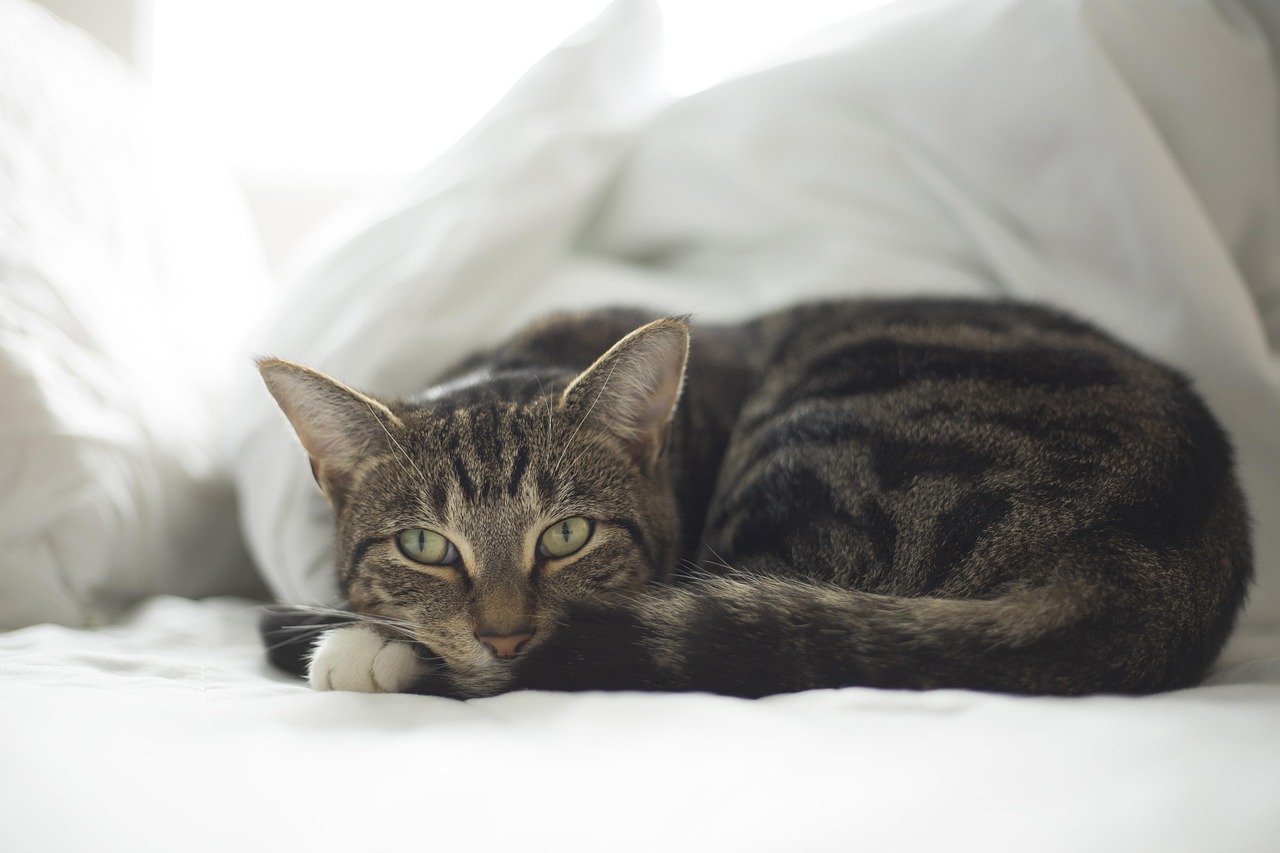
Size and fit guide for small dogs and cats
A bed that’s too large or too small will limit your pet’s comfort and may be ignored. You’ll want to measure your pet and consider their sleeping positions to select a size that allows them to stretch or curl comfortably.
Measuring your pet accurately
Measure your pet from the tip of the nose to the base of the tail while they are standing, then add 6–12 inches for full stretching space. You’ll use this number to pick a bed length or diameter that fits their full body comfortably.
Accounting for sleeping style and growth
If your pet is still growing or likes to sprawl, choose a slightly larger size to accommodate future needs and full-body stretches. You’ll also consider whether your small dog or cat prefers curling tightly (smaller diameter) or stretching out (larger diameter).
Size recommendation table
| Pet weight (lbs) | Typical breeds/examples | Suggested bed diameter/length |
|---|---|---|
| Under 5 lbs | Toy breeds, most cats | 16–20 inches |
| 5–10 lbs | Small terriers, small spaniels | 20–24 inches |
| 10–20 lbs | Larger small breeds | 24–28 inches |
| 20–30 lbs | Small-to-medium breeds | 28–34 inches |
Filling, loft, and support explained
The fill and loft of a wool bed determine cushioning and how well the bed supports joints over time. You’ll want to balance softness for comfort with enough firmness to protect developing bones and aging joints.
Wool fill density and joint support
Denser wool fill offers more support and resists compression, which is better for pets with arthritis or growing puppies. You’ll choose a denser fill for long-term support and a loftier fill for plush cushioning.
Combination fillings and when to choose them
Some beds combine wool with memory foam or fiberfill to increase support or lower cost while preserving wool’s benefits. You’ll pick combinations when you want memory foam support under a wool surface or want easier washing and lower price without giving up warmth.

Safety and allergy considerations
While wool suits many pets, a small number of animals (and owners) may be sensitive to natural lanolin or have skin sensitivities. You’ll need to monitor for any irritation or allergic signs when you first introduce a wool bed.
Wool allergies and sensitive skin
Observe your pet for itching, redness, or increased grooming after switching to wool. You’ll consider a wool-blend with reduced lanolin or a fully washable cover if your pet shows sensitivity.
Chewing, shredding, and ingestion risks
Puppies and some curious cats may chew or shred bedding, risking ingestion of fibers or stuffing. You’ll prevent this by selecting chew-resistant covers, supervising initial interactions, and replacing the bed if damage exposes inner materials.
Care and cleaning: maintaining wool beds
Wool requires a bit more care than fully synthetic beds, but many modern wool beds are designed for household laundering or easy maintenance. You’ll keep your bed fresher and longer-lasting by following manufacturer care instructions and treating accidents quickly.
Quick-care chart for wool beds
| Task | Best approach | Frequency |
|---|---|---|
| Daily maintenance | Shake out fur, brush or lint-roll | Daily |
| Light refresh | Air out in shade, vacuum with upholstery tool | Weekly |
| Spot stains | Blot, mild detergent, cold water | As needed |
| Full cleaning | Remove cover and machine wash if allowed, or hand wash/wool cycle | Seasonal or every 1–3 months |
| Deep clean | Professional wool cleaning | Annually or as needed for strong odors |
Spot cleaning and odor removal
Attending to accidents immediately reduces staining and lingering odors in wool fibers. You’ll blot liquids, use a mild enzyme cleaner safe for wool, and avoid hot water that can set stains.
Machine washing vs hand washing vs professional cleaning
Some wool bed covers and pads are machine-washable on a gentle, cold/wool cycle, but full felted or solid wool pieces often require hand washing or professional cleaning. You’ll check the label and err on the side of gentler care to prevent felting, shrinking, or loss of loft.
Drying, reshaping, and storage
After washing, reshape the bed while damp and dry flat away from direct heat to maintain shape and prevent shrinkage. You’ll store wool beds in breathable cotton bags or in a dry, cool area to keep moths and mildew at bay.
Waterproofing, liners, and covers
Since small pets and puppies are prone to accidents, waterproofing is a practical feature that helps protect wool fill and extend bed life. You’ll decide if you want an internal waterproof liner or a removable, washable outer cover for easier maintenance.
Removable covers and zippers
Removable covers make cleaning easy and protect the wool core from dirt and moisture. You’ll prefer durable zippers with fabric guards to prevent scratching and to allow machine washing of the cover alone.
Waterproof liners and mattress protection
A thin, breathable waterproof liner placed between the outer cover and wool fill offers a safeguard against accidents and spills. You’ll select liners that are breathable to avoid trapping moisture and that are easy to remove and wash.
Durability and puppy-proofing
Small dogs and puppies can be energetic and mouthy, so durability should be a top consideration for the bed you choose. You’ll look for reinforced seams, tight-knit fabrics, and chew-resistant options to keep the bed intact longer.
Reinforced stitching and chew-resistant options
Double stitching, heavy-duty zippers, and tough outer fabrics can reduce the likelihood of damage and exposure of wool fill. You’ll also consider materials like canvas or tightly woven blends on the exterior to discourage chewing.
Training tips to protect the bed
Train your pet to use the bed by encouraging positive association with treats, praise, and predictable placement. You’ll also rotate toys and supervise early bed interactions, removing the bed temporarily if chewing becomes a problem until training progresses.
Eco-friendly and ethical considerations
If sustainability matters to you, look for beds made with ethically sourced wool and low-impact dyes and finishes. You’ll favor certifications that indicate responsible animal welfare or eco-friendly processing when possible.
What to look for in labels
Search for terms like “responsibly sourced,” “mulesing-free,” or certifications from recognized bodies that indicate humane practices. You’ll also check for low-impact or plant-based dyes and recycled or natural covers to reduce environmental impact.
Budget and where to invest
Wool beds often cost more up front than basic synthetics, but they can last longer and perform better for temperature control and odor management. You’ll decide where to invest based on your pet’s needs—spend more for orthopedic support or durability, and save on simpler pads for casual use.
Price vs. longevity
Higher-quality wool and better construction generally translate to longer-lasting comfort and less flattening over time. You’ll usually save in the long run by choosing a well-made bed that holds shape and resists soiling.
Checklist: What to look for when buying
This checklist will help you evaluate options quickly so you choose the best wool bed for your small dog or cat.
- Size appropriate for your pet’s length and sleeping style.
- Type of wool construction suited to support and feel you want (felted, wool-filled, blend).
- Removable, washable cover or a washable outer layer.
- Waterproof liner or protective mattress insert if accidents are likely.
- Durable outer fabric and reinforced stitching for pets that scratch or chew.
- Certifications or sourcing info if ethical wool is important to you.
- Ease of cleaning: machine-washable cover, spot-cleanable core.
- Suitable loft and firmness for joint support if your pet is elderly or growing.
- Non-slip bottom if the bed will be on hard floors.
- Bolster or rim if your pet likes head/neck support or cocooning.
Sample product configurations and what they’re best for
Below are common combinations you might look for so you can match a bed to your pet’s needs. You’ll use these as guides while shopping.
- Felted wool nest with a removable cotton cover: Best for a pet who needs a firm, supportive base but you also want a washable outer layer.
- Wool-filled memory foam pad: Best for an older small dog with joint pain who still likes a warm wool surface.
- Wool-blend plush donut bed with waterproof liner: Best for puppies or cats that like to curl and where accidents are likely.
- Knitted wool bolster bed with non-slip base: Best for a cat who likes to perch on the edge of furniture and curl up safely.
- Thin wool pad for crate or carrier use: Best for travel, short naps, and insulation from cold surfaces.
- Wool pad over orthopedic foam: Best for combining temperature regulation with deep joint support for small pets with arthritis.
Frequently asked questions
This FAQ covers common concerns you may have when choosing or caring for a wool pet bed. You’ll find straightforward answers to help you make confident choices.
Will my pet be allergic to wool?
Most pets tolerate wool well, but a small number might show sensitivity to lanolin or have skin reactions. You’ll notice symptoms like increased scratching or redness and should try a wool-blend or different material if signs appear.
How often should I wash a wool pet bed?
Wash frequency depends on use and whether your pet has accidents or sheds heavily; generally, you’ll wash covers every 1–3 months and deep-clean the core seasonally. You’ll also spot-clean spills immediately and air the bed frequently to reduce odors.
Can I machine wash a wool bed?
Some wool covers and pads are machine-washable on a wool or gentle cold cycle, but solid felted wool pieces often require hand washing or professional cleaning. You’ll always follow the manufacturer’s label to avoid shrinking or felting.
Is wool warmer than synthetic fill?
Wool insulates and wicks moisture naturally, which can feel warmer without trapping sweat. You’ll find wool keeps pets comfortable in a range of temperatures by regulating microclimate rather than simply holding heat.
What if my pet chews the bed?
If chewing occurs, remove the bed until training reduces that behavior and choose chew-resistant fabrics or reinforced seams for the next bed. You’ll consider crate training, chew toys, and positive reinforcement to discourage bed destruction.
Are wool beds safe for kittens and puppies?
Wool beds are safe for most kittens and puppies, but supervise early use to prevent chewing and ingestion of loose fibers. You’ll also ensure the bed is sized appropriately and has no small parts that could be swallowed.
Final thoughts
Choosing a wool bed for your small dog or cat gives you a naturally warm, breathable, and often longer-lasting option that many pets find comfortable. You’ll get the best results by matching bed style and size to your pet’s sleeping habits, selecting practical care features like removable covers and liners, and monitoring for any sensitivities.
If you’re ready to buy, use the checklist, measure your pet, and prioritize durability and washability so the bed becomes a favorite resting place for your companion. You’ll soon notice better sleep, more predictable resting behavior, and a cozier corner of your home for the small dog or cat you love.
