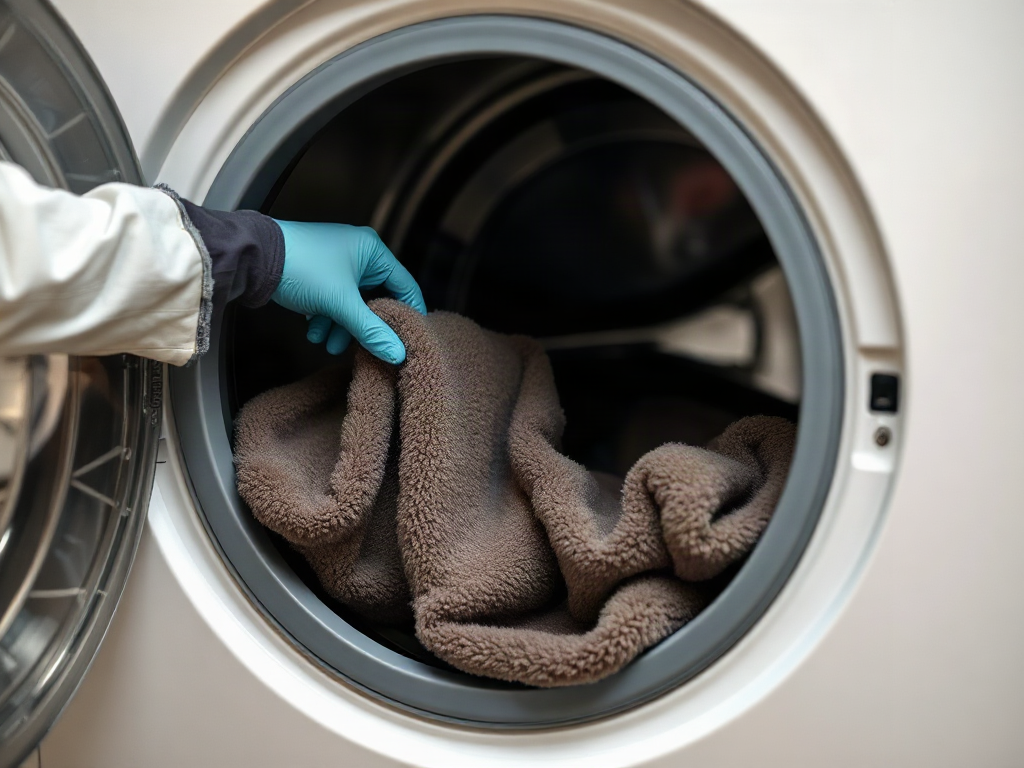
Parasite decontamination cleaning for washable bedding works best when bedding is isolated, debris is removed, and every component is washed and fully dried at the hottest settings its care label safely permits. Heat, detergent, mechanical agitation, and complete drying reduce contamination, but the correct routine depends on whether the concern is fleas, mites, lice, or another organism. Clean the surrounding enclosure and replace disposable nesting material at the same time to limit recontamination. Do not apply pesticides, bleach, or disinfectants to bedding unless the product label specifically permits that use and a veterinarian confirms it is suitable for the animal.
What you’ll learn
This guide covers the following practical points:
- Identify the Parasite and Isolate the Bedding — The suspected organism determines how aggressively bedding and the surrounding habitat need to be managed.
- Wash and Dry Bedding Safely — Effective laundering combines debris removal, detergent, agitation, rinsing, and thorough drying.
- Clean the Enclosure and Surroundings — Bedding can be cleaned correctly and contaminated again immediately if the enclosure remains untreated.
- Prevent Recontamination and Check Results — Decontamination succeeds when animal treatment, textile cleaning, and habitat cleaning occur on a coordinated schedule.
Identify the Parasite and Isolate the Bedding
The suspected organism determines how aggressively bedding and the surrounding habitat need to be managed. Fleas may leave eggs and immature stages in fabrics and nearby crevices, while some mites or lice spend more of their life on the host. Cleaning can reduce environmental contamination, but it does not replace diagnosis or treatment of the animal.
Move used bedding directly into a washable bag or closed container rather than carrying it uncovered through the home. Keep it away from clean laundry, other pets, upholstered furniture, and stored bedding. Wear disposable gloves if the material contains feces, urine, skin debris, or prescribed topical medication, then wash your hands after handling it.
Separate the bed into covers, liners, pads, and removable inserts. Check every care label before washing. Foam slabs, glued seams, waterproof membranes, heating elements, and densely stuffed cushions may be damaged by heat or may remain damp internally. A washable cover does not mean the entire product can go into a machine.
A common mistake is assuming any visible itching identifies the parasite. Irritation may have other causes, and different organisms require different environmental measures. Seek veterinary guidance when the parasite is unknown, the animal has broken skin or hair loss, multiple animals are affected, or cleaning and prescribed treatment are not resolving the problem.
Wash and Dry Bedding Safely
Effective laundering combines debris removal, detergent, agitation, rinsing, and thorough drying. Shake or brush loose material into a trash bag outdoors or over an easy-to-clean surface, avoiding vigorous handling that sends dust and debris into the air. Do not vacuum damp waste or heavily soiled nesting material unless the equipment is designed for it.
Wash items separately from household clothing, using a normal detergent and the hottest water allowed by the manufacturer. Avoid overloading the drum because crowded fabric receives less agitation and rinses poorly. Heavily soiled pieces may need a pre-rinse or a second complete wash rather than extra detergent, which can leave irritating residue.
- Contain: Transport contaminated items in a closed bag or bin.
- Disassemble: Remove covers, liners, inserts, and trapped debris.
- Launder: Follow the care label and use a full wash cycle.
- Dry completely: Select the hottest dryer setting the material safely tolerates.
- Inspect: Check seams, folds, closures, and the center of padded pieces for moisture.
Drying deserves as much attention as washing. A cover that feels dry can conceal moisture inside a bolster or quilted layer. Return bedding only when every section is dry, since retained dampness encourages odor and microbial growth. Air drying may protect delicate fabrics, but it does not provide the same controlled heat as a dryer and can take much longer with padded items.
Adding household chemicals without a confirmed need is a frequent failure point. Never combine bleach with ammonia, acids, or other cleaners. Do not add insecticides, flea powders, essential oils, or environmental sprays to a washer. If a disinfectant or laundry additive is being considered, verify that its label covers the material, organism, washing method, and animal environment involved.
Clean the Enclosure and Surroundings
Bedding can be cleaned correctly and contaminated again immediately if the enclosure remains untreated. Remove disposable litter, hay, paper nesting, cardboard hides, and other porous items that cannot be laundered. Seal discarded material before placing it in household waste, and keep replacement supplies outside the cleaning area.
Vacuum or wipe accessible cracks, cage joints, baseboards, floor edges, and the area beneath the habitat. Hard surfaces should first be cleaned of organic material with a product appropriate for that surface. If a veterinary plan calls for a disinfectant or pest-control product, follow its label for dilution, wet contact time, ventilation, rinsing, and animal re-entry. More concentrated is not safer or necessarily more effective.
Soft furnishings near a free-roaming animal may also need attention. For example, washing a fleece liner while ignoring a fabric play tunnel and the rug beneath the pen leaves potential reservoirs nearby. By contrast, a parasite that primarily remains on the host may require less extensive environmental treatment. Match the cleaning radius to the organism and the animal’s actual movement rather than treating every room indiscriminately.
Keep the pet in a clean temporary enclosure while surfaces dry and prescribed treatment is administered. Small mammals and birds may be especially sensitive to fumes, aerosols, and residues, so a product described as suitable for a room should not automatically be assumed safe for direct use in their habitat.
Prevent Recontamination and Check Results
Decontamination succeeds when animal treatment, textile cleaning, and habitat cleaning occur on a coordinated schedule. Washing the bed once while leaving an untreated companion animal or contaminated nesting item in place can restart the cycle. Ask the veterinarian whether cleaning must be repeated to account for the suspected organism’s life stages and treatment schedule.
Maintain at least one spare washable liner or cover so the animal never has to use bedding that is damp or only partly cleaned. Store clean pieces in a closed cabinet or container away from used supplies. Mark separate cleaning tools for the affected enclosure and clean those tools after use.
Signs that the process is working include no new visible parasites, declining debris in sleeping areas, and improvement that follows the veterinarian’s expected treatment course. Persistent scratching alone is not a reliable cleanliness test because irritated skin may take time to settle. New parasites, spreading skin lesions, continued heavy debris, or symptoms in another animal suggest that identification, treatment, or the environmental plan needs reassessment.
Replacing the bed may be more practical when a non-removable insert cannot be washed, a foam core stays wet, seams trap contamination, or the item has been exposed to a product that cannot be safely rinsed away. Put the replacement into service only after the animal and habitat have been addressed; otherwise, a new bed can become contaminated as quickly as the old one.
Frequently Asked Questions
What water temperature should be used for parasite-exposed bedding?
Use the hottest water permitted by the bedding's care label. Because heat tolerance and parasite susceptibility vary, do not choose a temperature that damages the fabric or assume warm water alone completes decontamination.
Can bleach be added to the wash?
Only use bleach when the textile label permits it and the veterinarian or relevant product directions support it. Never mix bleach with ammonia, acids, or other cleaners, and rinse bedding thoroughly.
Should bedding be washed separately from family laundry?
Yes. Separate washing reduces contact between contaminated debris and clothing, towels, or linens. Clean the hamper, bag, or bin used to transport the bedding afterward.
Is one wash cycle enough?
It may be enough for the textile, but environmental cleaning often needs to be repeated according to the organism and veterinary treatment plan. Heavy soil or detergent residue can also justify a second full cycle.
When should a washable bed be discarded?
Discard it when contaminated inner material cannot be reached, the filling will not dry completely, the structure is deteriorating, or chemical residue cannot be safely removed. Seal it during disposal to limit debris spread.
Conclusion
Prioritize correct parasite identification, coordinated treatment, careful containment, and complete drying rather than relying on stronger chemicals. Clean the enclosure and nearby items before returning freshly laundered bedding, then watch for renewed debris or parasites. If the bed cannot be washed through its full depth or the problem persists, replace the item and ask a veterinarian to reassess the animal and environmental plan.